A résumé that says “electrician” does not tell a project manager whether that person can safely pull wire, read plans, pass inspection, and keep a schedule moving. That gap is the real question behind what qualifies skilled labor. In construction, a qualified worker is not defined by a job title alone. They bring verified capability that matches the work, the site, and the rules governing the project.
For employers, getting this right protects productivity, safety, quality, and margins. For tradespeople, it creates a clearer path to better jobs and stronger pay. The standard should be high, but it should also be practical: prove the skills required for the work in front of you.
What qualifies skilled labor in construction?
Skilled labor generally refers to workers who have learned a specialized trade through formal education, an apprenticeship, on-the-job training, licensing, or a combination of those paths. They perform work that requires technical knowledge, judgment, and hands-on proficiency rather than basic manual effort alone.
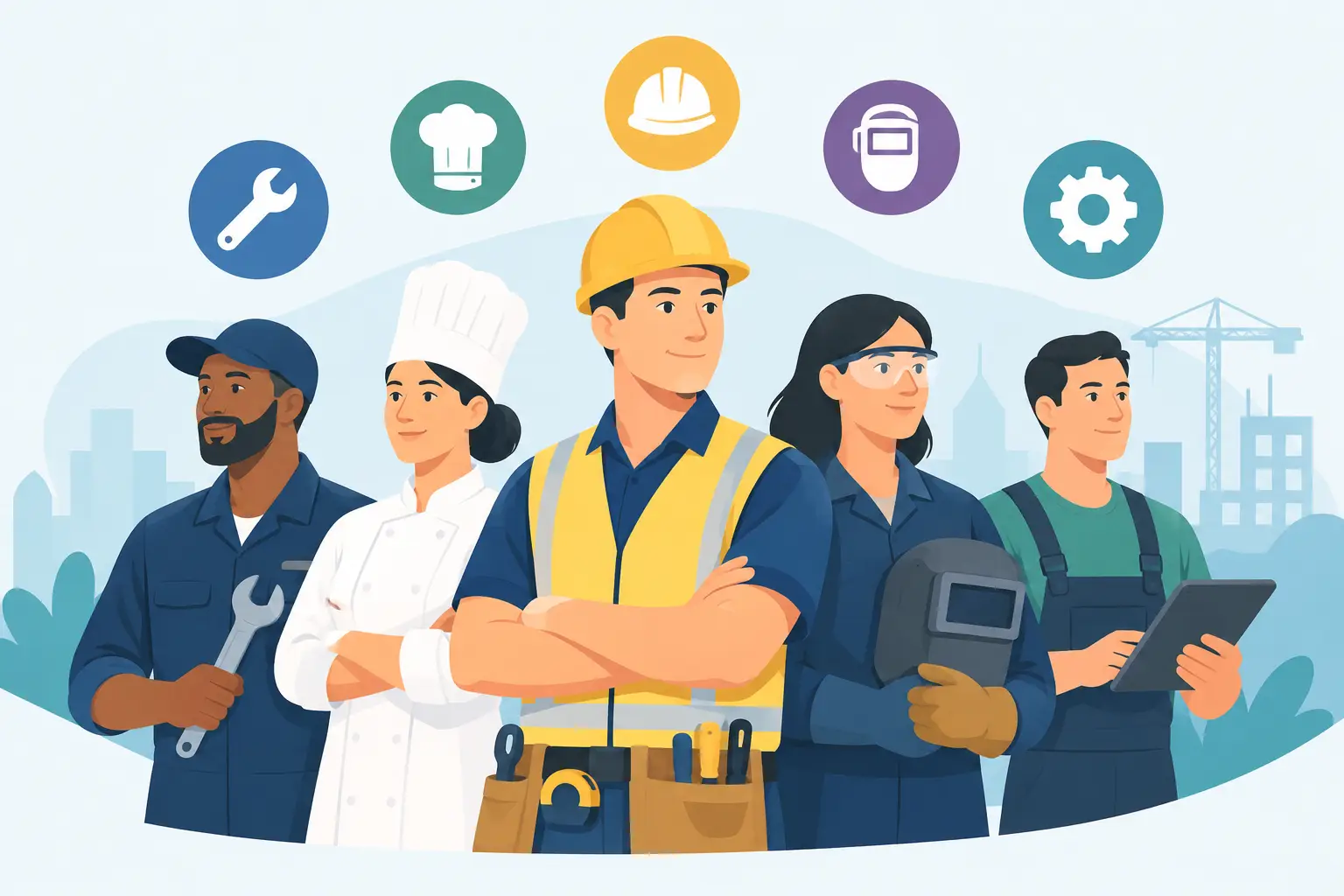
An electrician who understands load calculations, code requirements, conduit bending, and troubleshooting is skilled labor. So is a welder qualified for a specific process and material, a plumber who can install and test piping systems, or an HVAC technician who can diagnose equipment and handle refrigerants correctly.
The key word is qualified. A worker may have years in the field but still not be qualified for every assignment. A commercial electrician may not be the right fit for industrial controls. A residential carpenter may not have the formwork experience needed on a concrete-intensive project. Skill is specific, and hiring should be specific too.
Training creates the foundation
Most skilled tradespeople develop their expertise through a mix of classroom instruction and field experience. Apprenticeships remain one of the strongest routes because they pair supervised work with structured learning. Trade schools, manufacturer training, union programs, military experience, and employer-led training can also build legitimate qualifications.
Training matters because it teaches the why behind the task. A worker can learn to make a connection by watching someone else. A trained electrician also understands why conductor sizing, grounding, overcurrent protection, and code compliance matter. That knowledge reduces mistakes when conditions change on site.
Still, a certificate from a course is not the finish line. Employers should view training as evidence of a foundation, then look for proof that the person can apply it in real working conditions.
Experience proves performance under real conditions
Field experience is where trade knowledge becomes dependable output. Skilled workers have completed work under schedules, coordinated with other crews, adjusted to site constraints, and solved problems without creating new ones.
Relevant experience is more valuable than broad but vague experience. A welder with five years of structural steel work may be highly qualified for one role but need different certifications for pipeline work. A plumber experienced in tenant improvements may not be ready to lead a hospital rough-in without exposure to medical gas systems and complex specifications.
Employers should ask for details that reveal scope: project type, materials used, systems installed, crew size, responsibilities, and the worker’s direct role. A project portfolio with photos, completed-work descriptions, and references gives far more hiring signal than a generic claim of “10 years’ experience.”
Credentials and licenses matter, but requirements vary
Some construction roles legally require a license, certification, or documented credential. Others do not, yet credentials still help employers confirm competence and reduce risk.
For example, electrical and plumbing licensing requirements can vary by state and municipality. HVAC technicians who handle regulated refrigerants need the appropriate federal certification. Welders may need qualification records that match the process, position, material, and code required for a job. Public projects, union jobs, and prevailing-wage work can add classification, apprenticeship ratio, or documentation requirements.
That means there is no single credential that answers every hiring question. An OSHA card can demonstrate safety training, but it does not establish trade proficiency. A state license may be essential for a role, but it may not show whether someone has recent experience with the exact equipment or project type your crew needs.
The practical approach is to separate mandatory requirements from job-fit evidence. Mandatory requirements include any license, certification, background clearance, driving record, or site-specific training the project requires. Job-fit evidence includes recent work history, portfolio quality, references, and demonstrated technical capability.
Verification is what turns claims into confidence
Construction hiring moves fast, but speed without verification can become expensive. A bad hire can lead to rework, missed inspections, damaged equipment, safety incidents, and a crew that loses momentum waiting for corrections.
Verification should confirm the facts that materially affect the job: identity, active licenses where required, employment history, certifications, and relevant project experience. Background checks may also be appropriate depending on the site, client requirements, and position. The goal is not to create unnecessary barriers. It is to make sure employers and workers can start with clear expectations.
A verified profile also works in the worker’s favor. Tradespeople should not have to rebuild credibility from scratch every time they apply. Documented credentials, a current work history, ratings, and project photos make their value visible before the first call.
The overlooked qualifications: safety, reliability, and teamwork
Technical skill gets a worker onto the shortlist. Jobsite behavior often determines whether they become a long-term hire.
Safety is a core qualification, not a box to check during orientation. Skilled labor understands hazard recognition, personal protective equipment, lockout/tagout procedures where applicable, ladder and lift safety, housekeeping, and the discipline to stop when conditions are unsafe. The strongest workers protect themselves, their crew, and the schedule.
Reliability matters just as much. A highly capable finish carpenter who arrives late, misses shifts, or disappears before punch-list work is complete can create more pressure than value. Employers need workers who communicate, show up prepared, follow site rules, and respect the sequence of work.
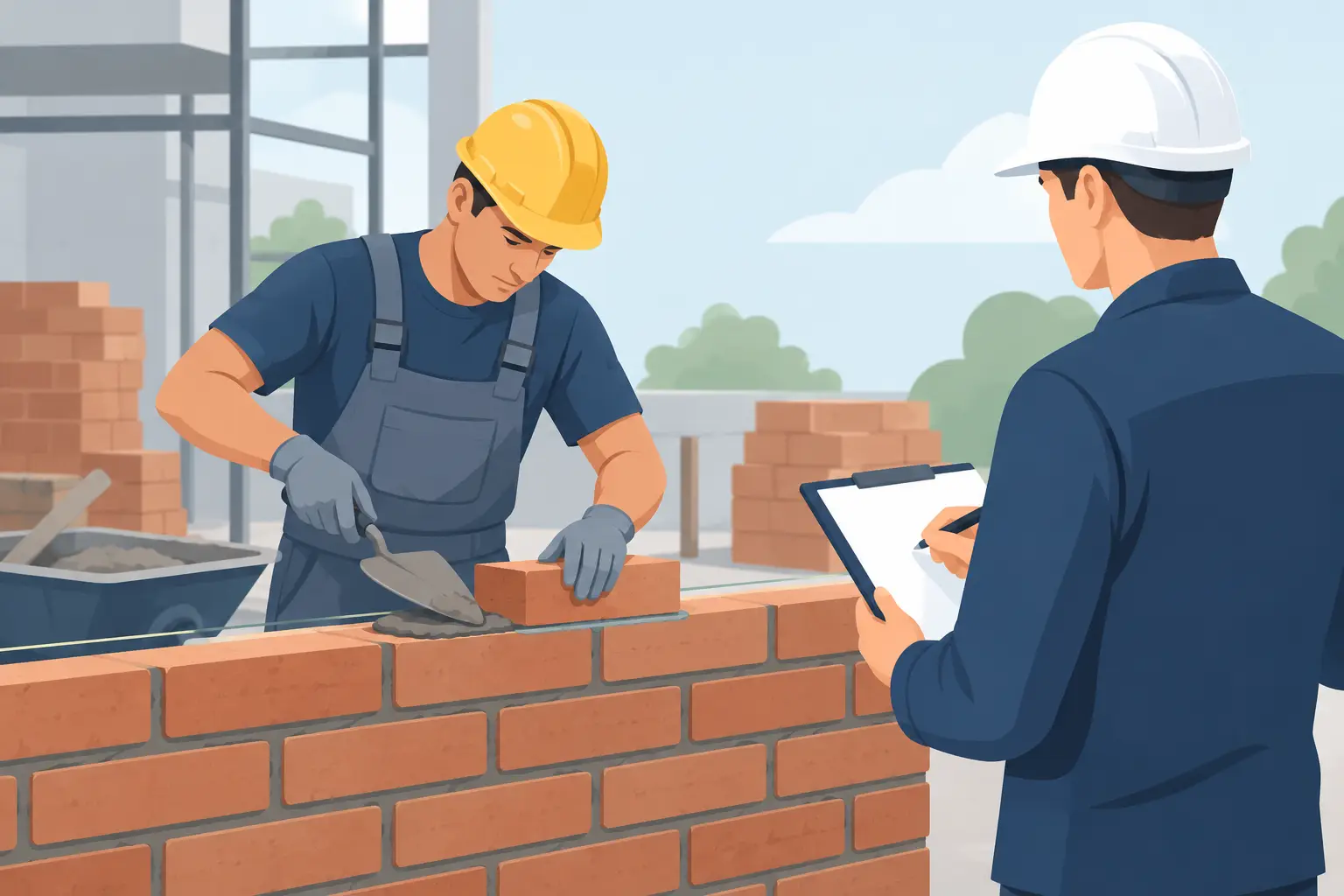
Teamwork is also technical in its own way. Construction is a chain of handoffs. An HVAC installer needs to coordinate with framers, electricians, plumbers, and general contractors. A mason needs to work from plans and elevations while maintaining clean communication with the people who follow. Workers who can flag conflicts early and solve problems professionally help the entire project run better.
How employers should assess skilled labor before hiring
The best assessment process is focused, repeatable, and proportional to the role. Do not use the same screening standard for a helper, a journeyman technician, and a foreman.
Start by defining the work clearly. Identify the trade, level of responsibility, project type, required credentials, schedule, location, tools or equipment involved, and whether the worker will operate independently or under supervision. This prevents the common mistake of advertising for a broad title when the job requires a narrow specialty.
Then review the worker’s evidence against that scope. Look for recent, relevant projects rather than relying on total years alone. Confirm licenses and certifications that are required for the assignment. Ask practical questions about materials, systems, drawings, troubleshooting, quality control, and safety decisions. For higher-risk roles, a skills test or paid working interview may be appropriate if it is structured fairly and complies with applicable employment rules.
References can be useful when they are specific. Instead of asking whether someone was a “good worker,” ask whether they completed comparable work, met schedule expectations, worked safely, and could be trusted without constant direction.
Platforms built for the trades can reduce this legwork. go2work helps employers evaluate verified worker profiles, credentials, employment history, and project portfolios while using direct communication and AI-powered matching to move qualified candidates forward faster.
How tradespeople can show they qualify
Workers do not need a polished corporate résumé to stand out. They need proof that makes a hiring manager’s decision easier. Keep licenses, certifications, and training records current. List the systems, tools, materials, and equipment you have actually worked with. Add clear photos of finished work when appropriate and permitted, along with short descriptions of your role on each project.
Be accurate about your level. Calling yourself a journeyman, lead, or foreman without the experience to support it can damage trust quickly. A strong profile is not about sounding bigger than the job. It is about showing exactly where you can deliver value from day one.
If you are still building experience, say so and show your direction. An apprentice with current training, a clean safety record, dependable attendance, and documented hands-on work can be a strong hire for the right crew. Skilled labor is built over time, and good employers recognize potential when it is backed by effort and evidence.
Qualification depends on the work, not just the title
There is no universal checklist that makes every person qualified for every skilled trade role. The right standard depends on the jurisdiction, project requirements, risk level, trade specialty, and degree of supervision available. Treating all electricians, welders, or carpenters as interchangeable is how companies end up with costly mismatches.
The better standard is simple: hire people whose verified training, credentials, field experience, safety habits, and work history match the assignment. When workers make that proof easy to see and employers evaluate it consistently, hiring becomes faster, crews become stronger, and good work has a better chance of staying on schedule.