
A license can confirm that an electrician is legally eligible to perform certain work. It cannot tell you whether that electrician can read a crowded set of plans, troubleshoot a failing panel under pressure, or communicate clearly with a foreman. That is the real distinction behind license checks versus skill tests - and why construction employers need both when the cost of a bad hire reaches the schedule, the budget, and the jobsite.
For tradespeople, the same distinction matters because credentials deserve to be recognized without reducing a career to a card number. A current license proves meaningful progress. A work sample, portfolio, or practical assessment gives employers a chance to see the experience behind it.
License Checks Versus Skill Tests: What Each Proves
A license check answers a compliance question: Is this person authorized to perform work that requires a license in the relevant state or locality? Depending on the trade and jurisdiction, an employer may need to verify license class, status, expiration date, disciplinary history, insurance requirements, or whether the credential belongs to the individual, a qualifying party, or the business.
This is non-negotiable for roles where licensing rules apply. Hiring an unlicensed worker for regulated electrical, plumbing, HVAC, or specialty work can create liability, delay inspections, and put a project at risk. License verification should happen early, before a candidate is presented as qualified for a regulated scope.
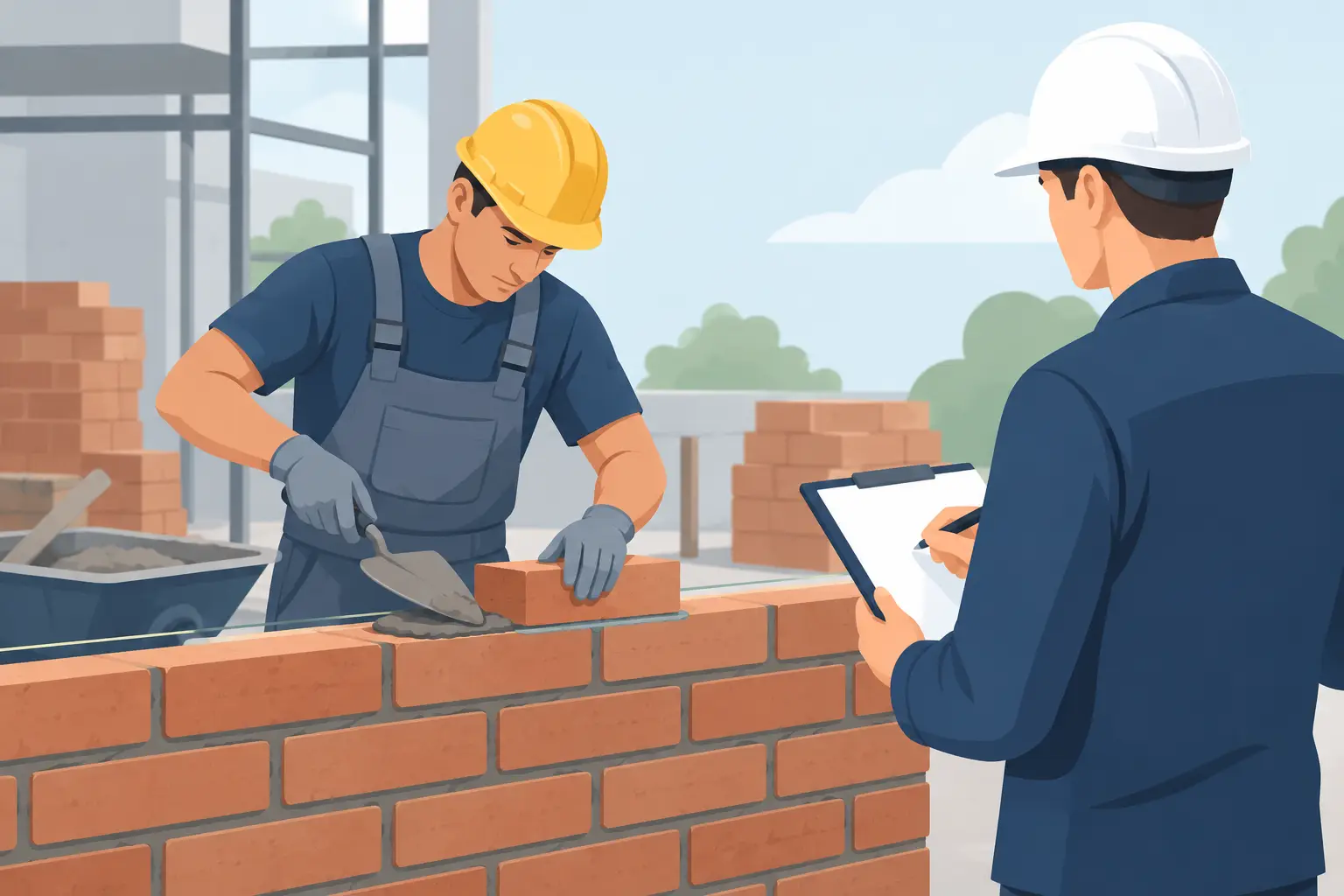
A skill test answers a different question: Can this person do the specific work this project needs, at the required level of quality and safety? It may evaluate blueprint reading, layout, tool knowledge, code awareness, weld quality, equipment operation, finish work, troubleshooting, material handling, or jobsite communication.
Neither method replaces the other. A license is not a complete performance record, and a strong practical result does not override licensing requirements. The most dependable hiring process uses each tool for the decision it is built to support.
Why Licenses Alone Can Leave Gaps
Licensing standards establish a baseline, not a guarantee that every licensed worker is equally suited to every opening. Two licensed plumbers may both be compliant, while one has spent years on commercial tenant improvements and the other specializes in residential service calls. The first candidate may be the better fit for a fast-moving hospital renovation. The second may be excellent on a service fleet.
The same issue shows up across the trades. A welder may carry the right certifications but have limited recent experience with the position, material, or process required on your job. A carpenter may have a strong employment history but little exposure to high-end finish work. An HVAC technician may be licensed and capable, yet unfamiliar with the controls systems used across a large commercial site.
That does not make the credential less valuable. It means employers should avoid using a license check as a shortcut for assessing every hiring requirement. Compliance, task fit, reliability, and project experience are related, but they are not the same thing.
Licenses can also be difficult to interpret at speed. Requirements vary by state, city, county, trade, and job scope. Some work may be performed under supervision, while other work requires a license holder to be directly responsible. HR teams and project managers should have a clear internal process for confirming what each role actually requires before screening candidates.
What a Good Skill Test Looks Like in the Trades
The best skill tests resemble the work, not a generic exam. They are short, consistent, safe, and tied to the tasks that determine success in the role. If the position is for a commercial electrician, a useful assessment might combine plan interpretation, a discussion of lockout/tagout procedures, and a practical troubleshooting scenario. For a carpenter, it could focus on layout accuracy, finish quality, and reading elevations.
Practical evaluation does not always mean setting up a full jobsite test. A structured interview can reveal a great deal when it asks for specific decisions from past projects: What was the issue? What did you check first? Which tools or materials did you use? How did you keep the work safe and keep the crew moving?
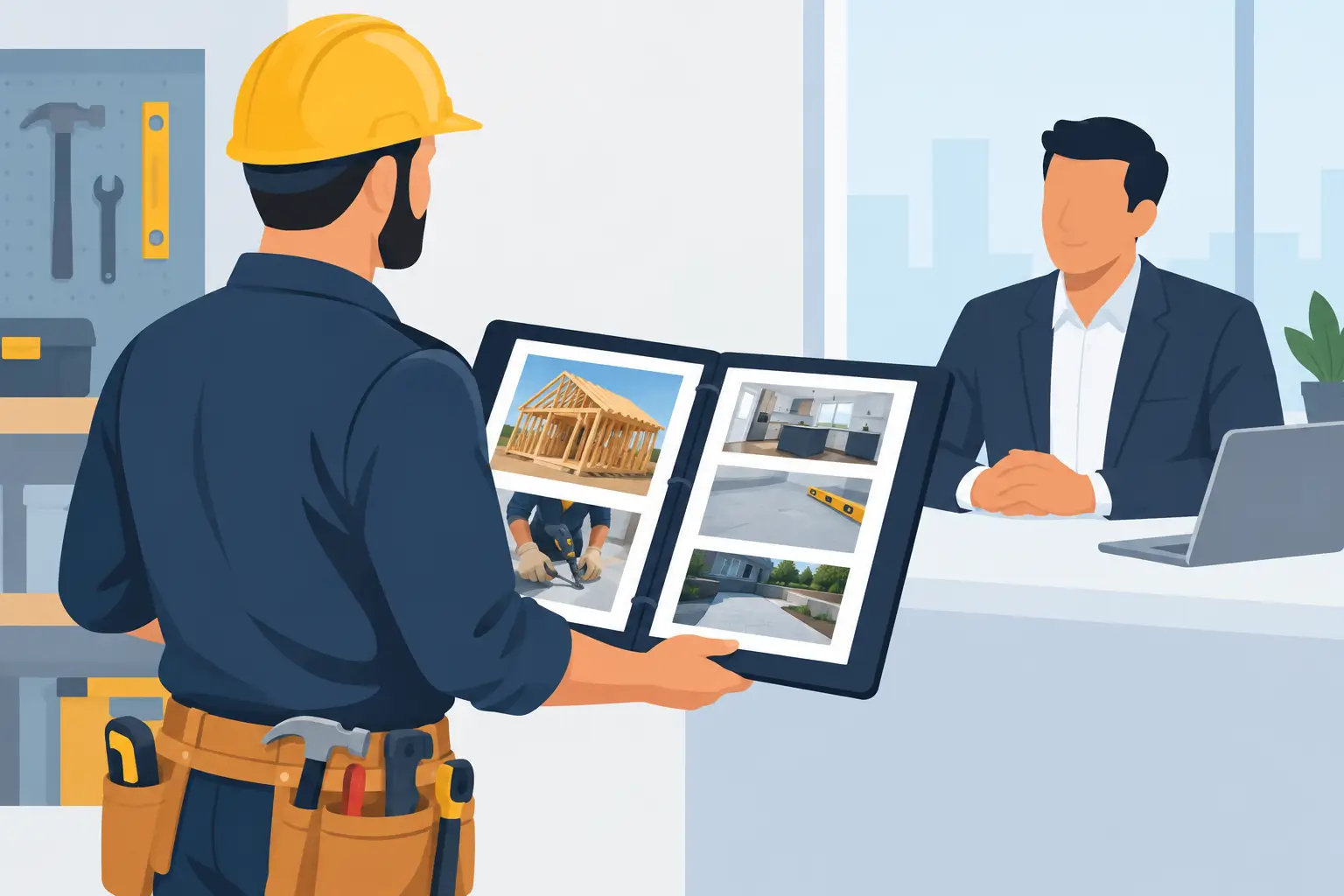
Portfolios add another layer of proof. Photos of completed work, project descriptions, references, and verified employment history help employers see scale, craftsmanship, and trade focus before scheduling an interview. They are especially useful when staffing quickly for project-based work.
A fair assessment should measure job-relevant ability, not test-taking polish. Keep instructions clear, use the same standards for comparable applicants, and avoid asking candidates to provide unpaid production labor. The goal is to reduce hiring risk, not get free work.
Build a Faster, More Reliable Screening Sequence
The order matters. Employers lose time when they interview candidates first and discover later that a required credential is expired, invalid, or mismatched to the work. They also lose time when they verify every document but never test whether the candidate can handle the actual assignment.
A practical sequence starts with the role. Define the work scope, project conditions, required license or certification, experience level, shift, location, and start date. Then use a screening process that separates mandatory requirements from preferred capabilities.
First, verify the credentials that are legally or contractually required. Next, review trade-specific experience, employment history, and completed-project evidence. Then use a focused skill conversation or work sample to confirm the candidate can perform the core tasks. Finally, check references and conduct any appropriate background screening based on the role and your company policy.
This approach keeps the process moving because every stage has a purpose. Candidates who do not meet a non-negotiable licensing requirement are identified early. Candidates with valid credentials but unclear hands-on fit receive a targeted assessment instead of a vague interview. Strong workers get a faster path to the offer.
Match the Test to the Risk of the Role
Not every opening needs the same level of assessment. A short-term helper role may require a basic safety and tool-readiness conversation. A lead plumber on a complex commercial project deserves deeper validation around code knowledge, crew leadership, plan review, and coordination with other trades.
Use more evidence when the downside of a mismatch is higher. Consider the complexity of the scope, whether the worker will operate independently, exposure to safety hazards, customer-facing responsibilities, inspection requirements, and the difficulty of replacing someone mid-project.
There is a trade-off. Over-testing slows hiring and can turn away experienced tradespeople who have options. Under-testing can create rework, safety problems, and strained crews. The right standard is enough proof to make a confident decision without making qualified people jump through unnecessary hoops.
Give Skilled Workers a Clear Way to Show Their Value
For tradespeople, the strongest profile tells a complete story: licenses and certifications, years in the trade, specialties, recent employers, completed projects, and examples of work. If you are a licensed electrician with industrial controls experience, say so. If you are a welder qualified in a particular process or a carpenter known for detailed finish work, make that visible before the first call.
Be ready to discuss your work in practical terms. Employers want to know the project type, your responsibilities, the systems or materials involved, and the results you delivered. Clear evidence helps you compete on more than availability alone.
Platforms built for trade hiring can make this process more efficient by bringing verified credentials, work history, portfolios, and direct communication into one hiring workflow. With go2work, employers can focus their time on candidates whose qualifications are visible from the start, while workers have a more professional way to present the work they have earned.
The Better Hiring Standard Is Proof, Not Assumption
Construction hiring moves fast, but speed should not mean guessing. Verify the license when the work requires it. Test the skill when project performance depends on it. Look at the full picture when deciding who will represent your company on site.
The next time a critical role opens, start by defining what must be verified and what must be demonstrated. That one decision creates a cleaner hiring process, a stronger crew, and a better chance of getting the work right the first time.