
A superintendent gets a new start date, a subcontractor falls behind, or a scope change adds two weeks of electrical work. The crew plan that looked solid on Monday can be wrong by Thursday. That reality is driving project based hiring trends across construction: employers are building access to qualified trade talent when the work requires it, rather than relying only on permanent headcount.
This is not a move away from core crews. Reliable full-time employees remain essential for quality, safety, client relationships, and company culture. Project-based hiring fills the gaps around them - peak workload, specialized scopes, short-notice replacements, and jobs in new markets. For contractors, the advantage is simple: get the right person to the right site before labor availability becomes a schedule problem.
Why Project Based Hiring Trends Matter Now
Construction work has always moved in phases. Mobilization, rough-in, finish work, punch lists, and closeout all demand different labor levels and skill mixes. What has changed is the speed of the shift. Project leaders need to react faster to delayed materials, accelerated schedules, owner changes, weather events, and overlapping jobs.
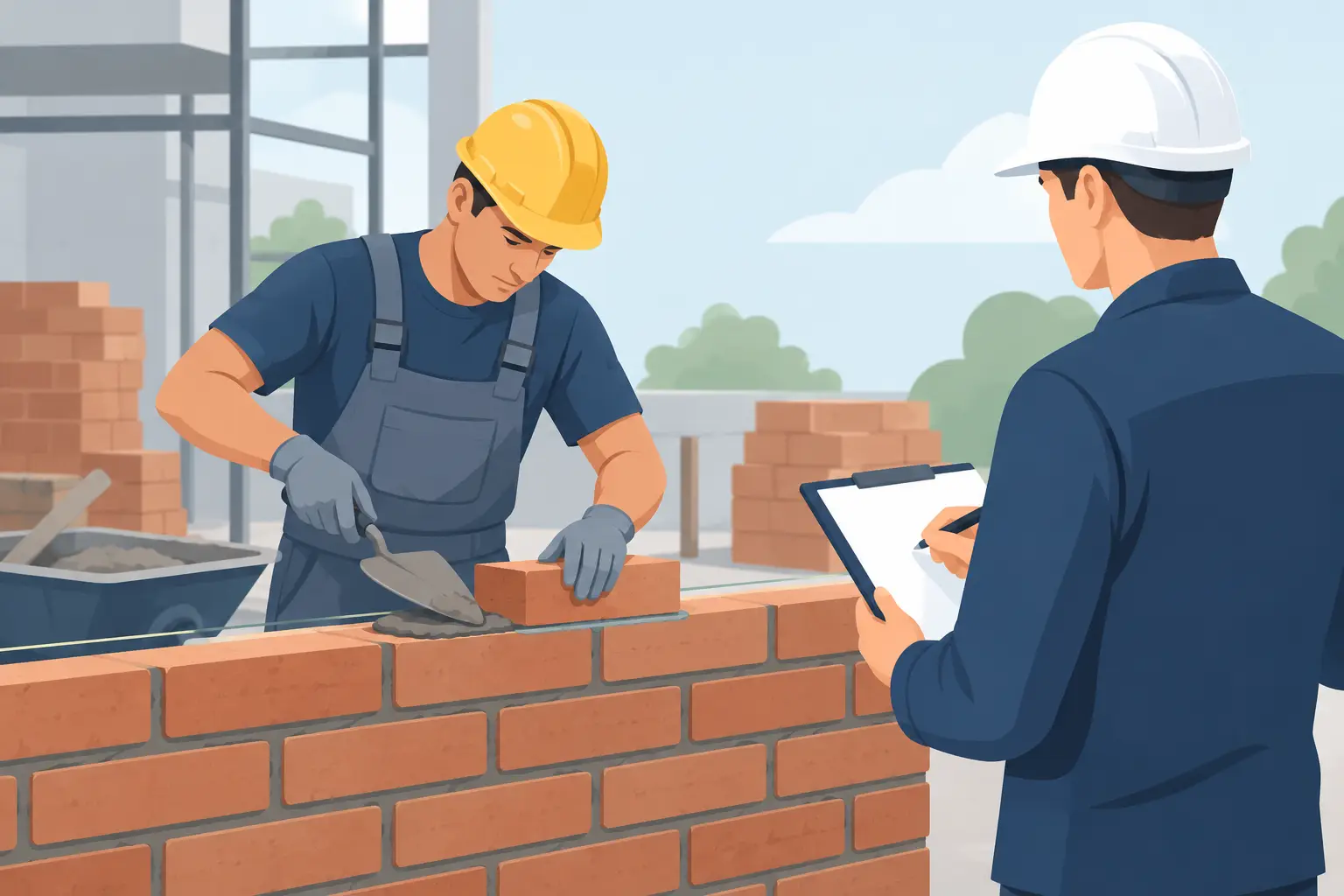
A company may need three experienced commercial electricians for a six-week push, then only one for commissioning. A plumbing contractor may win a hospital renovation that requires documented healthcare experience. A masonry crew may need additional hands for a deadline-sensitive façade package. Hiring every need as a long-term role can create unnecessary payroll pressure. Waiting to hire until the shortage is visible can put the project behind before interviews even begin.
Project-based hiring gives employers a more practical middle ground. It lets them scale labor with real project demand while protecting their core workforce. The trade-off is that flexibility only works when candidate quality is clear. A fast hire who lacks the right license, site experience, or safety discipline can cost more than an open role.
The Shift From General Labor Pools to Proven Skills
The strongest hiring trend is not simply more temporary labor. It is a higher bar for proof. Employers want to know what a worker has actually done, not just what appears on a resume.
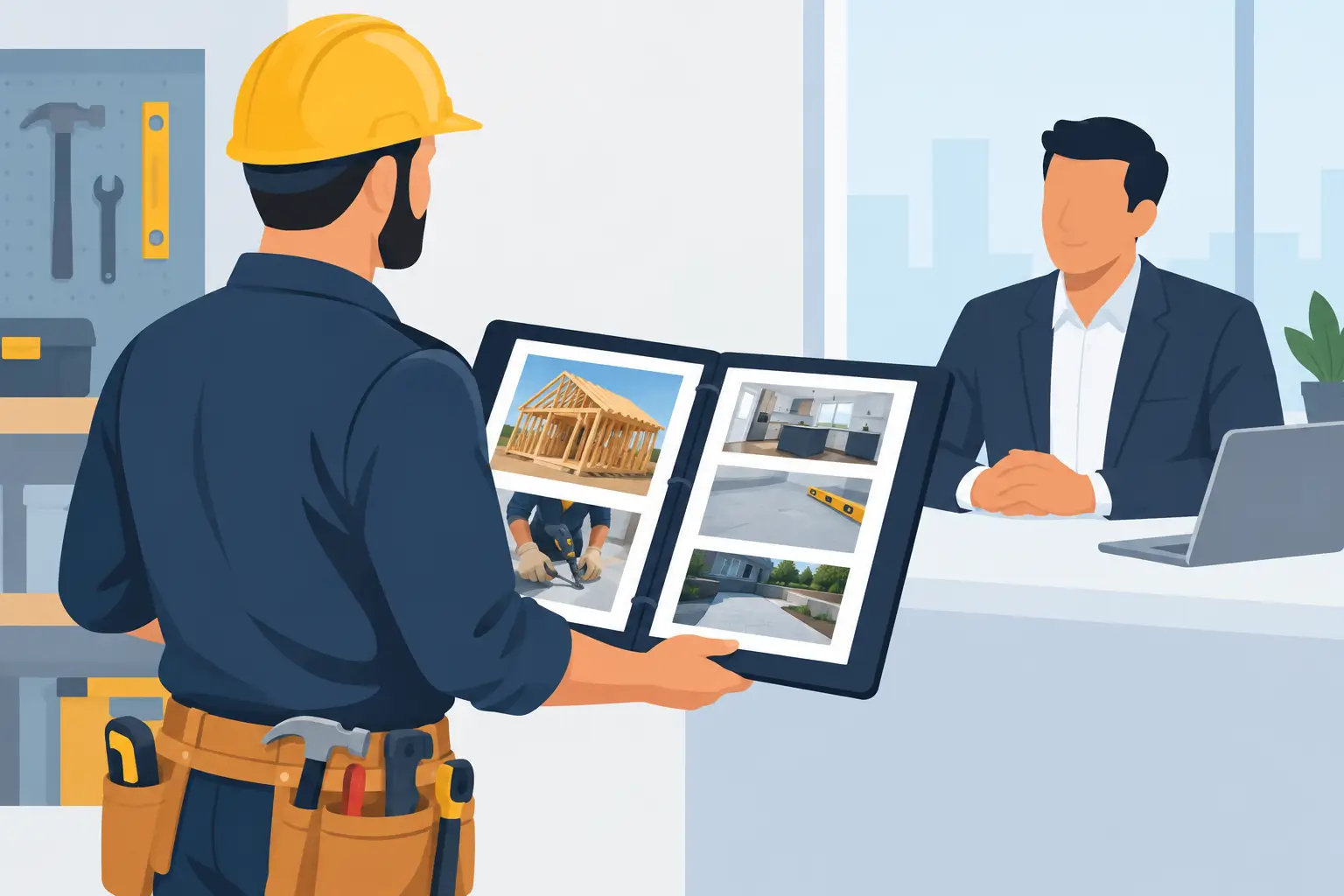
For skilled trades, that means profiles built around credentials, verified employment history, licenses where required, safety qualifications, ratings, and project portfolios. A photo of completed conduit work, custom framing, pipe installation, welding, or finished tile can provide useful context that a job title cannot. It helps a hiring manager separate a worker who has been near a project from one who can perform the scope independently.
This matters most when the role is specialized. “Carpenter” can mean rough framing, finish work, cabinetry, commercial interiors, concrete forms, or restoration. “HVAC technician” can mean residential service, rooftop units, controls, refrigeration, or startup and commissioning. Project hiring succeeds when the job post and candidate profile speak the same technical language.
What Employers Should Define Before Posting
A useful project-based job post starts with the work, not a vague wish list. State the location, project duration, start date, shift, pay range, required credentials, tools or PPE expectations, and the exact scope. Specify whether the worker will lead, work independently, or join an existing crew.
Also be direct about conditions that affect acceptance: overtime, prevailing wage, travel, parking, site access, background requirements, and whether work may extend. Tradespeople make fast decisions when they have the facts. Missing details create wasted calls, no-shows, and late-stage surprises.
Speed Is Becoming a Hiring Advantage
On active jobs, hiring speed is operational performance. A delayed electrician can hold up drywall. A missing welder can stall fabrication. A superintendent who spends hours chasing unanswered calls is not managing the site.
That is why mobile-first communication is becoming standard in skilled trade hiring. Workers are on jobsites, in trucks, or between assignments. They are not always at a desk updating applications. Employers need a way to review qualified candidates, confirm availability, and start a conversation without a long chain of emails.
AI-powered matching can help narrow the field by connecting job requirements with a worker’s trade, experience, credentials, location, and portfolio. But matching is not a replacement for judgment. A project manager still needs to assess reliability, communication, and whether a worker fits the crew and scope. Technology should reduce the search time so people can make better hiring decisions faster.
For workers, speed changes the opportunity as well. A complete, current profile can put an electrician or welder in front of employers when a project need opens, rather than days after a role has been filled. Availability, certifications, work samples, and accurate contact details are no longer administrative extras. They are part of being hire-ready.
Flexible Staffing Does Not Mean Lower Standards
Some contractors hear “project-based” and assume it means settling for unknown labor. The better approach is the opposite: use flexible hiring to raise the standard for each assignment.
Start with verification. Confirm the information that affects site readiness, including identity, work history, relevant licenses, and any job-specific requirements. Then look at project fit. A highly capable residential plumber may not be the right choice for a commercial tenant improvement project with tight coordination and documentation demands. Skill is not one-size-fits-all.
Next, set a clear onboarding process. Even experienced tradespeople need to understand site rules, reporting lines, safety procedures, production expectations, and how their work connects to the next trade. A 15-minute pre-start conversation can prevent days of rework or confusion.
Finally, track performance after the hire. Keep notes on attendance, craftsmanship, safety, communication, and ability to work with the crew. The goal is not to restart the search every time demand rises. It is to build a trusted bench of people who have already proven themselves on your jobs.
What Tradespeople Should Do to Benefit
Project work can create stronger career momentum, especially for workers who want broader experience, better pay opportunities, or a path into more specialized work. But it rewards preparation.
Treat your profile like a jobsite introduction. Make your trade and specialty clear. List active licenses and certifications accurately. Add completed projects that show the quality and type of work you do. Keep availability current, and respond quickly when an employer reaches out.
Be realistic about your experience. Taking a role outside your capability can damage your reputation and put the crew at risk. At the same time, do not undersell what you have done. If you have worked on schools, multifamily builds, industrial facilities, hospitals, or high-end residential projects, say so. Context helps employers see where you can contribute on day one.
Professional communication also matters. Confirm the address, start time, foreman contact, required tools, and pay details before arriving. Show up ready. A worker who is skilled, dependable, and easy to coordinate becomes the person contractors call first when the next project ramps up.
Building a Better Project Hiring System
The most effective contractors do not treat staffing as a last-minute scramble. They forecast labor needs from the schedule, identify high-risk trades early, and keep a live pipeline of qualified workers. They also separate urgent openings from future needs. A role needed tomorrow requires immediate outreach; a role needed next month gives the team time to compare candidates and plan onboarding.
This is where a trade-specific hiring platform can make a measurable difference. go2work helps construction employers find verified tradespeople through job postings, portfolios, credential validation, and direct communication built for field-based hiring. The value is not just a larger candidate pool. It is a clearer path from project need to credible worker.
Project based hiring trends will keep shaping how construction teams plan labor, but the goal stays grounded: protect the schedule, deliver quality work, and give good tradespeople access to better opportunities. The companies that win will be the ones that move quickly without guessing - and the workers who win will make their skills easy to trust.