A superintendent needs two licensed electricians on site Monday. A plumber sees an opening between service calls and wants to apply before the slot is filled. In both cases, mobile hiring is not a convenience feature. It is the difference between a staffed crew and a delayed project, between a missed opportunity and the next better job.
Construction hiring has always moved at field speed. Projects shift, scopes expand, weather changes plans, and reliable people get booked quickly. Employers cannot wait days for resumes to arrive, while skilled tradespeople should not have to sit at a desktop to find work, prove their qualifications, or respond to a contractor.
What Mobile Hiring Means in the Skilled Trades
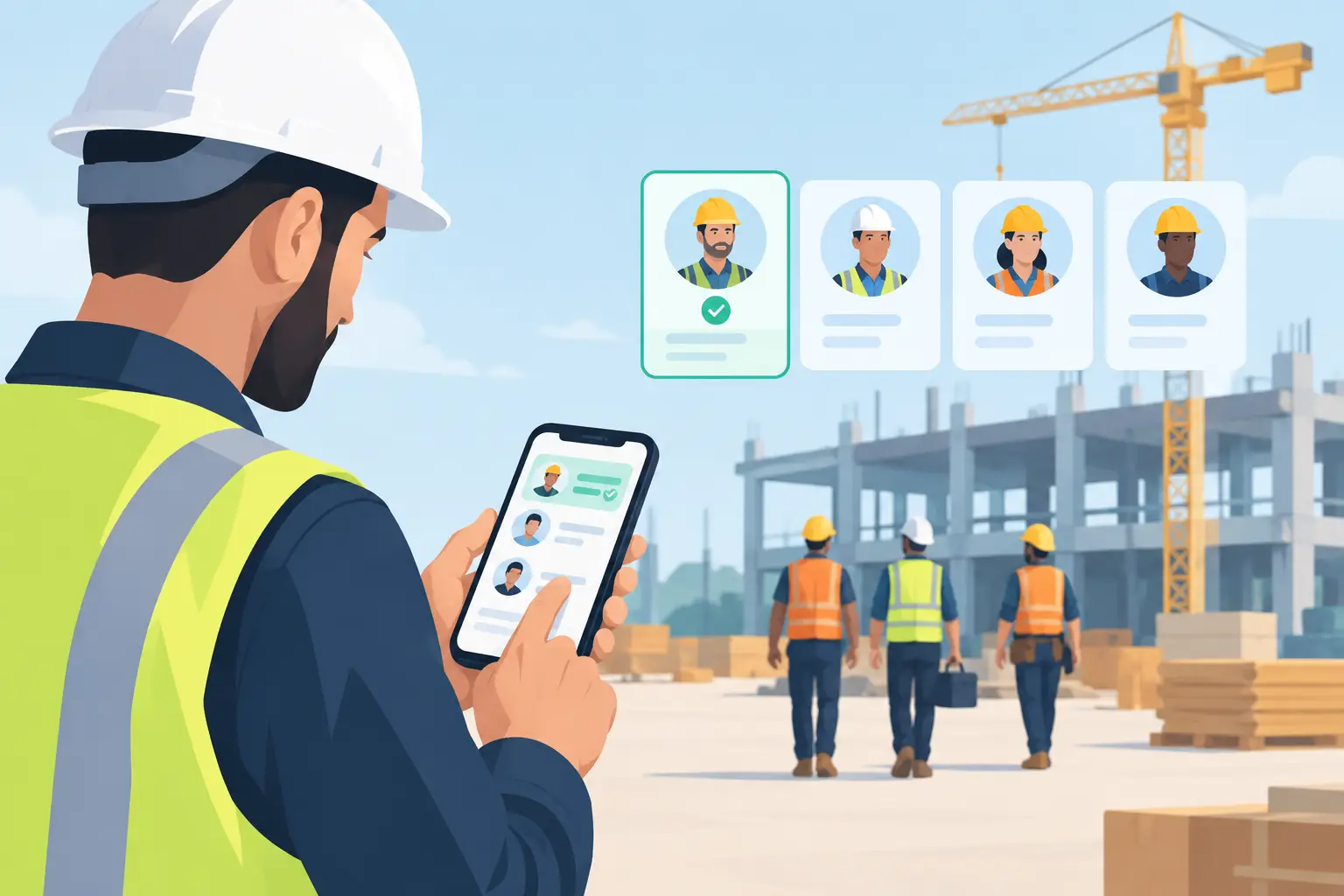
Mobile hiring is the ability to search, match, communicate, verify, interview, and move toward a hire from a phone. For construction and trade businesses, it brings the hiring workflow closer to where work actually happens: job sites, trucks, supply houses, and field offices.
That does not mean every hiring decision should be made in five minutes. Licenses, safety requirements, work history, and project fit still matter. The value is that the right information can be reviewed quickly, and the right people can act before a labor gap becomes a schedule problem.
For tradespeople, a mobile-first experience turns a phone into a professional career tool. A welder can upload project photos after a completed job. An HVAC technician can update certifications when they are renewed. A carpenter can respond to a direct message during a break instead of losing the opportunity because they were away from a computer.
Why Traditional Construction Hiring Falls Behind
Many construction companies still rely on a patchwork of text messages, paper applications, job boards, staffing calls, and word-of-mouth referrals. Referrals remain valuable, especially for high-trust roles, but they cannot always meet urgent staffing needs or provide enough visibility into a candidate's current availability.
Traditional workflows also create delays at exactly the wrong point. A project manager identifies a gap. HR posts a job. Candidates apply, often with limited trade-specific detail. Someone must chase down credentials, call references, and coordinate responses across several systems. By the time the team is ready to act, the best candidate may already be working elsewhere.
Mobile hiring reduces those handoffs. It gives employers a faster path from need to conversation, while giving workers a clearer view of active opportunities that match their craft, location, experience, and availability.
The Information That Makes Fast Hiring Trustworthy
Speed without proof creates expensive mistakes. A fast reply is not the same as a qualified hire, particularly when the work involves electrical systems, gas lines, structural tasks, heavy equipment, or occupied buildings.
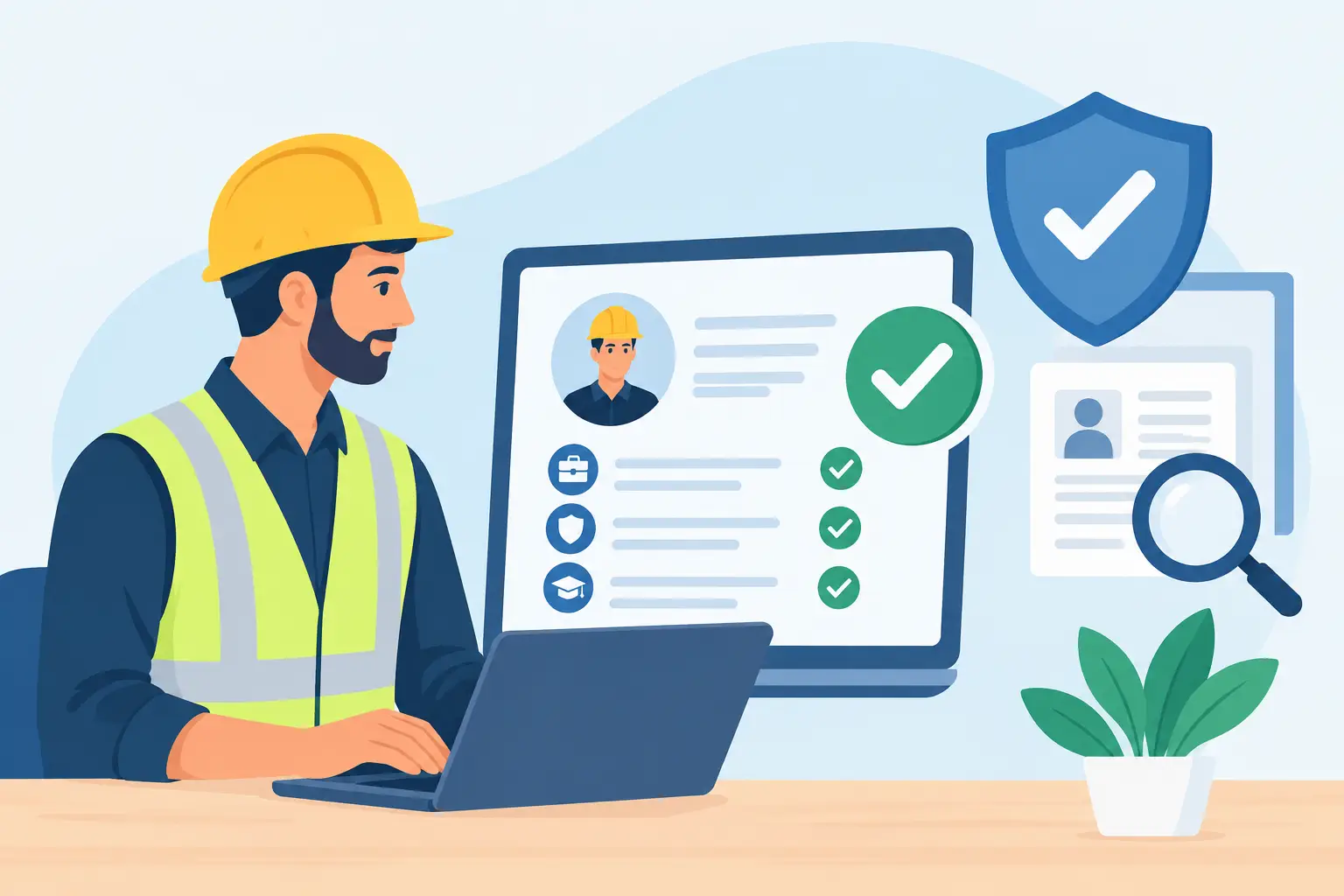
A strong mobile hiring process puts verification at the center. Employers need to see more than a job title. They need evidence that a candidate can perform the work required on the current project. For workers, transparent profiles create a fairer way to compete than being judged only by who knows whom.
The most useful mobile profiles bring several signals into one place:
- Trade specialty, years of experience, and relevant work history
- Licenses, certifications, and background-check status where required
- Completed-project photos that show workmanship and scope
- Employer ratings, references, and verified employment details
- Current location, availability, and preferred project type
This information should be easy to scan on a phone, but not oversimplified. A commercial electrician and a residential service electrician may share a title while having very different experience. The same is true for welders, plumbers, masons, and HVAC technicians. Better matching starts with the details that affect job performance.
A Practical Mobile Hiring Workflow for Employers
The best workflow is short enough to use under pressure and disciplined enough to protect quality. It begins before a role becomes urgent: define the types of workers you hire most often, the credentials each role requires, and the project information candidates need to make a confident decision.
1. Post the job with field-level specifics
Avoid vague descriptions such as “need experienced labor.” State the trade, location, start date, expected duration, schedule, pay range when appropriate, required licenses, safety expectations, and whether the work is residential, commercial, industrial, or service-based.
A clear posting filters out poor fits and saves everyone time. It also signals respect for tradespeople, who need enough information to decide whether a job is worth pursuing.
2. Prioritize matched and verified candidates
Review candidates based on the needs of the project, not simply application order. AI-powered matching can narrow the field by comparing trade skills, location, credentials, experience, and availability. The final decision still needs human judgment, but the first pass should not require a manager to sort through unrelated applicants.
If a role requires a license or specialized certification, confirm it before scheduling an interview. If project photos matter, review them early. This keeps your team from spending valuable time on candidates who cannot meet nonnegotiable requirements.
3. Start conversations while interest is high
Direct messaging is particularly useful in construction because schedules change quickly. A short message can confirm availability, ask a role-specific question, or set up a phone call without the delays of email chains.
Keep initial outreach concrete. Ask when the candidate can start, whether they have completed comparable work, and whether they can meet the project’s site, safety, and travel requirements. A prompt response is useful information, but it should not outweigh qualifications.
4. Move quickly, then document the decision
Once you identify the right fit, give the candidate a clear next step. That may be a call with the foreman, a site orientation, a skills discussion, or a formal offer. Document credentials and hiring notes in the same workflow so the project team is not relying on scattered texts or memory.
Speed is valuable only when it creates a reliable handoff from recruiting to the field. The foreman should know who is arriving, what they are qualified to do, and what remains to be completed before they begin work.
What Tradespeople Should Do From Their Phones
For skilled workers, mobile hiring works best when a profile is treated like a digital jobsite introduction. It should show what you do, what you have built or repaired, and why an employer can count on you.
Start with the trade and specialty you want to be hired for. “Carpenter” is broad. Finish carpentry, framing, commercial interiors, concrete formwork, and restoration work tell an employer much more. Add licenses, certifications, work history, and a current location. Then use project photos to show the quality and type of work you have completed.
Keep your availability current. If you are finishing a project Friday, say so. If you are only looking for local work or only interested in commercial projects, make that clear. Better information leads to better matches and fewer calls about jobs that do not fit.
Respond professionally and quickly when a serious employer reaches out. You do not need to accept every opportunity, but a clear answer protects your reputation. The same goes for your portfolio: use clean photos, identify your role in the project, and do not claim work you did not perform.
Mobile Hiring Is Not a Substitute for Good Judgment
A phone-based process will not fix a poorly defined role, an unrealistic pay rate, or a jobsite with a reputation for unsafe conditions. It also cannot replace proper onboarding, skills assessment, or the judgment of experienced project leaders.
There are trade-offs. Some positions require a more thorough interview process, particularly supervisory roles, regulated work, or long-term hires. Some employers may need in-person skills demonstrations before making an offer. Mobile tools should accelerate the right steps, not pressure teams into skipping them.
The key is to match the process to the risk. Hiring a helper for a short-duration assignment may require a different level of review than staffing a lead HVAC technician for a complex commercial build. Mobile hiring makes both processes more responsive when the platform supports real credential and experience data.
Build a Hiring System That Works at Jobsite Speed
Construction companies need labor visibility before a project reaches a breaking point. Tradespeople need a credible way to show their skill without relying solely on chance referrals. A purpose-built platform such as go2work brings verified profiles, project portfolios, direct messaging, and trade-focused matching into the same mobile workflow.
The outcome is not merely faster applications. It is faster, more informed conversations between employers who need dependable talent and tradespeople ready for their next opportunity.
The next time a crew changes, do not let the search begin with a scramble through old contacts. Build the worker profiles, job details, and verification habits now, so when the call comes from the field, your team can hire with confidence.