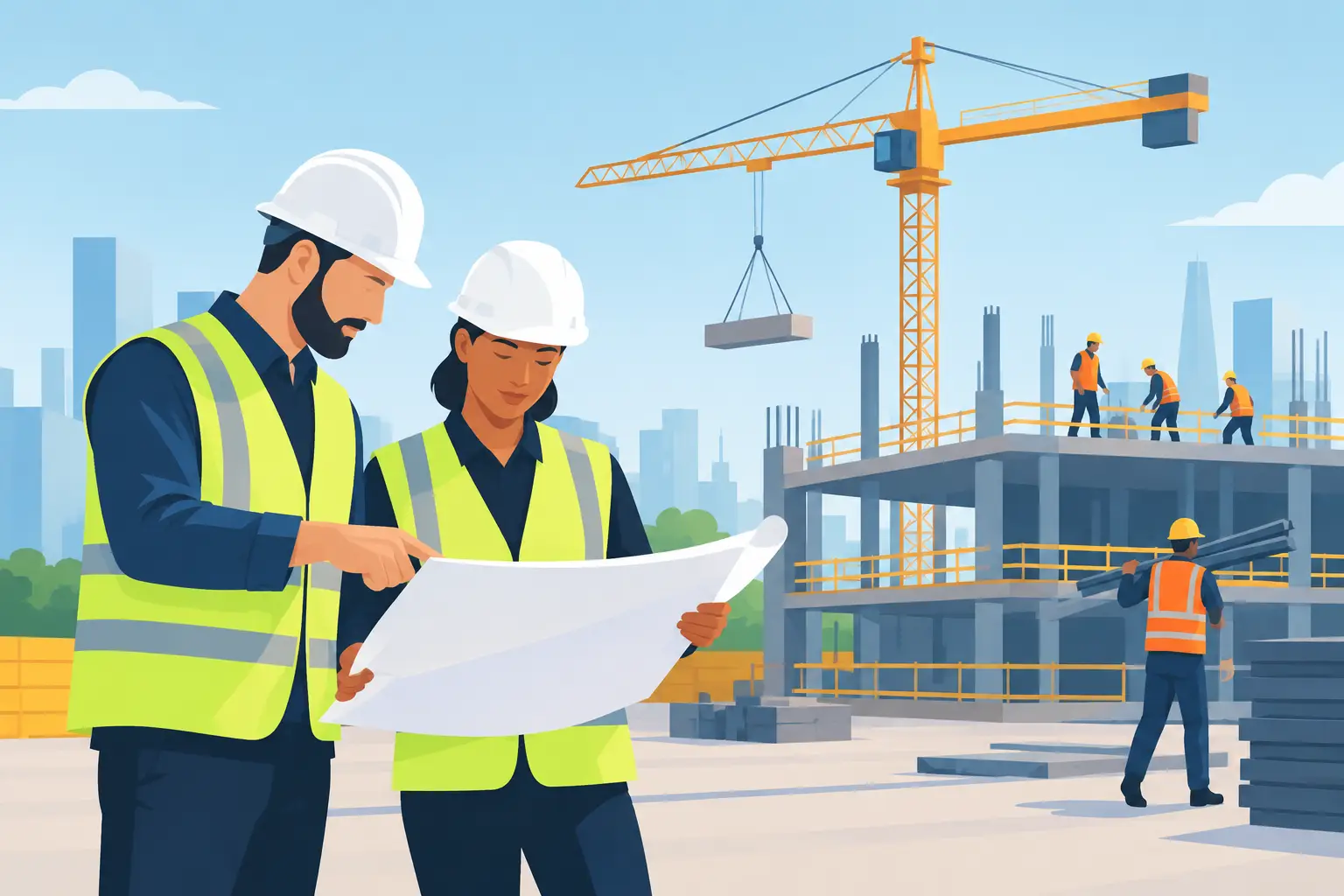
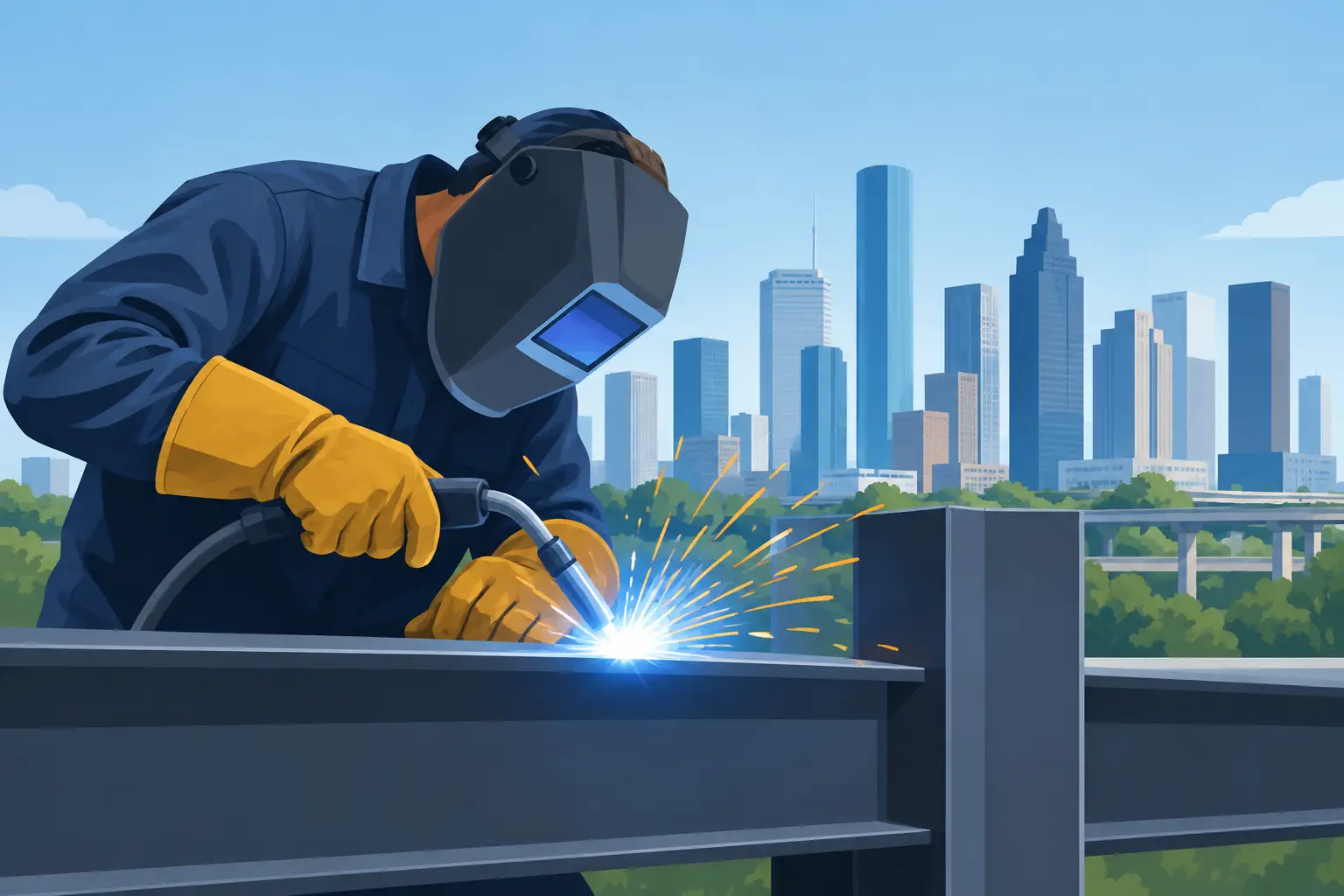
A welding vacancy can hold up far more than one scope of work. It can delay steel installation, push back inspections, create overtime pressure, and leave project managers scrambling to protect the schedule. Teams searching “hire welders Houston” are not looking for a stack of generic resumes. They need people who can show up prepared, read the work, meet the required standard, and produce welds that hold up in the field.
Houston’s construction, fabrication, energy, industrial, and commercial markets create steady demand for welding talent. That demand also makes fast hiring difficult. The strongest candidates are often already working, and a candidate who looks qualified on paper may not have the process experience, certifications, or site readiness your job requires.
The answer is not simply to hire faster. It is to build a hiring process that gets the right welder to the right project faster.
Start With the Work, Not the Job Title
“Welder” is too broad to be a useful hiring requirement on its own. Before posting a job or reviewing candidates, define the actual work waiting on site. A structural welder for commercial steel has a different profile than a pipe welder supporting refinery maintenance. A shop fabricator may be excellent with MIG but not ready for code-sensitive field work involving TIG or stick welding.
Start with the base material, weld process, position, project environment, shift, and duration. Clarify whether the role requires structural steel experience, pipe welding, stainless work, aluminum fabrication, repair work, or production welding. If there is a welding procedure specification, certification requirement, or owner-mandated safety process, make it clear from the start.
This level of detail does more than improve the job post. It prevents wasted interviews. Candidates can quickly identify whether their experience fits, and your team can focus on people who are more likely to be productive on day one.
What to Verify Before You Hire Welders in Houston
A fast hire without verification can become an expensive rehire. Welding quality affects safety, schedule, inspection results, and material costs. For many projects, the cost of bringing in the wrong person is much greater than the cost of spending an extra day validating qualifications.
Credentials matter, but they need context. A certification may show that a welder passed a test under certain conditions. It does not automatically prove recent experience on your process, material, position, or project type. Ask candidates when they last performed similar work, what procedures they used, and whether they have worked under the inspection requirements your project demands.
For a dependable screen, verify four areas:
- Process and material experience: Confirm whether the welder has practical experience with MIG, TIG, stick, flux-cored arc welding, or the specific process your job requires.
- Certifications and testing: Review applicable welding qualifications, test records, or client-specific requirements. Confirm they are current when the project requires current documentation.
- Safety and jobsite readiness: Check required safety training, PPE expectations, ability to pass site onboarding, and familiarity with the environment, whether it is a shop, elevated steel, confined space, or industrial facility.
- Work history and references: Look for reliable attendance, completed projects, stable employment patterns, and supervisors who can speak to weld quality, pace, and teamwork.
A portfolio can add useful proof, especially for fabrication and finish-sensitive work. Photos of completed assemblies, fit-up quality, structural work, or specialty metal projects give hiring teams a clearer view than a job title alone. They should support verification, not replace it.
Match the Welder to the Project Conditions
A candidate can be technically skilled and still be the wrong hire for a particular project. The right fit depends on the conditions around the work.
For example, a fast-paced shutdown may require a welder who has worked long shifts, tight turnaround schedules, and strict industrial safety procedures. A commercial construction project may need someone comfortable coordinating with ironworkers, foremen, inspectors, and other trades. A fabrication shop may value repeatable production quality, blueprint reading, fixture use, and dependable output over travel readiness.
Pay attention to practical constraints early: location, commute, schedule, overtime expectations, per diem, tools, drug screening, background requirements, and start date. Houston traffic alone can turn a seemingly available candidate into an unreliable commute if the jobsite and shift do not work for them. Clear expectations protect both sides and reduce no-shows after an offer is made.
It also helps to distinguish between a short-term staffing need and a long-term core hire. If you need additional hands for a two-week push, speed and immediate availability may carry more weight. If you are building a permanent fabrication team, reliability, growth potential, communication, and cultural fit deserve more attention.
Write a Job Post Skilled Welders Will Answer
The best welders do not have time to decode vague job ads. “Experienced welder needed, competitive pay” tells a candidate almost nothing about whether the job is worth pursuing. Specificity signals that your company runs organized projects and respects skilled labor.
Lead with the welding work itself. State the process, materials, project type, location, shift, expected duration, and required credentials. Include compensation details when possible, such as hourly range, overtime availability, per diem, or benefits. If the pay depends on testing, experience, or project requirements, say so directly.
Explain what success looks like. Is the person expected to pass weld tests before starting? Read isometric drawings? Work independently from blueprints? Maintain production pace in a shop? Follow a specific quality-control process? The more direct the expectations, the better the applicant quality.
Avoid treating every requirement as mandatory if it is not. A lengthy list of preferred skills can discourage capable candidates who meet the core need but do not check every box. Separate must-haves from skills that can be learned on the job.
Move Quickly Without Cutting Corners
Qualified welders frequently receive multiple calls in the same week. A slow response time can cost you a strong candidate before the first interview is scheduled. Build a simple, repeatable hiring workflow so your team can respond fast without losing control of verification.
Review applications against the project requirements, not against a generic ideal candidate. Contact qualified welders quickly and use a short phone screen to confirm process experience, availability, pay alignment, transportation, and required documentation. Then move promising candidates to a practical assessment, documentation review, or interview with the foreman who understands the scope.
Keep communication direct. If a candidate needs to complete a weld test, tell them what process and position to expect. If background screening or client approval may affect the start date, explain the timeline. Ambiguity creates drop-off, especially when workers have other offers.
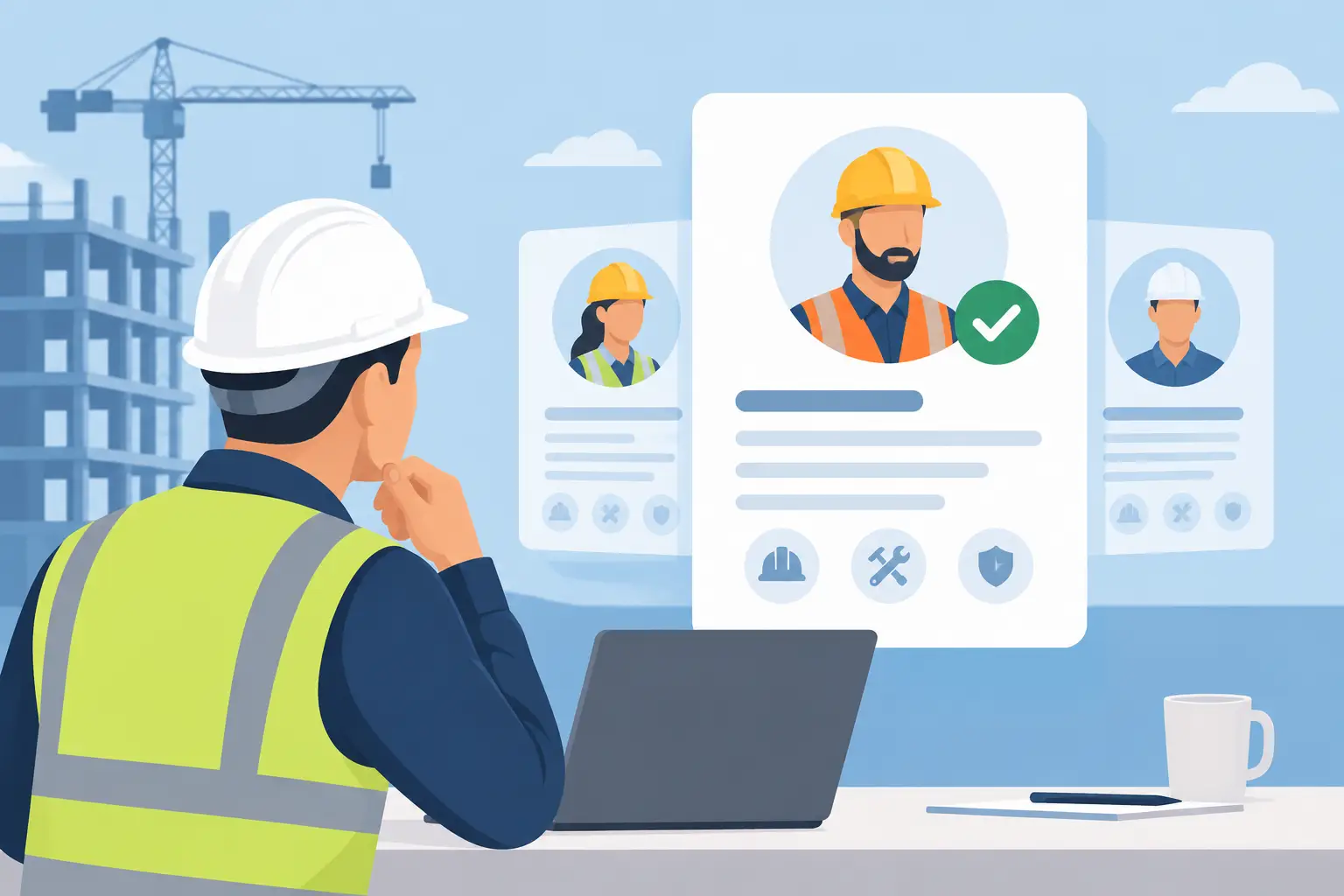
This is where a trades-focused platform can make a measurable difference. go2work helps employers connect with verified skilled workers through trade-specific profiles, work portfolios, credential validation, direct messaging, and AI-powered matching. Instead of sorting through applicants with unclear experience, hiring teams can focus on candidates whose background is closer to the job at hand.
Use the Weld Test as a Decision Tool, Not a Formality
For many welding roles, a practical test is the clearest way to validate capability. It should mirror the real work as closely as possible within your testing process. A test that checks only a simple flat-position weld may not tell you enough about a candidate expected to perform vertical, overhead, pipe, or code-critical work.
Make sure the test is evaluated by someone qualified to judge the outcome. Look beyond whether the weld passes or fails. Fit-up habits, machine setup, ability to follow instructions, pace, cleanup, and response to feedback can reveal how the person will operate on your crew.
There is a trade-off. Overly long or complicated testing can push away experienced welders, particularly when the pay range and start date are unclear. Keep the process job-relevant, organized, and respectful of the candidate’s time.
Build a Better First Week
Hiring is only the first win. The first week determines whether the welder gets productive quickly and whether they want to stay. Have tools, materials, access instructions, safety requirements, supervisor contacts, and the first assignment ready before they arrive.
Give the new hire a clear point of contact and make sure the foreman explains the work standard, inspection process, production expectations, and jobsite rules. A welder who receives inconsistent direction can lose hours waiting, reworking material, or trying to guess the preferred method.
Strong onboarding also gives you an early chance to confirm the placement is right. If the scope is changing or the worker’s strengths are better suited to another assignment, address it early instead of letting a mismatch grow into a schedule problem.
The Houston market rewards contractors who hire with clarity. Define the work, verify the proof, communicate quickly, and treat skilled welders like the professionals they are. That approach does more than fill an open role - it gives your project a better chance of staying safe, productive, and on schedule.