A welder jobs app should do more than send another generic opening to your phone. For welders, it should turn hard-earned experience, certifications, and finished work into proof an employer can assess quickly. For contractors, it should cut through resumes that look fine on paper but do not match the process, material, location, or schedule a project actually requires.
That distinction matters when a crew is short before a shutdown, fabrication deadline, plant expansion, or structural steel push. Welding hiring is rarely about filling a seat. It is about finding someone who can perform safely, read the work, and show up ready for the conditions on site.
What a Welder Jobs App Should Actually Solve
Generic job boards can generate applications, but volume is not the same as qualified interest. A welding employer may need a pipe welder with a current process qualification, a structural welder experienced with field connections, or a fabricator who can move from print to finished assembly. Those requirements are specific. A keyword-only search often is not.
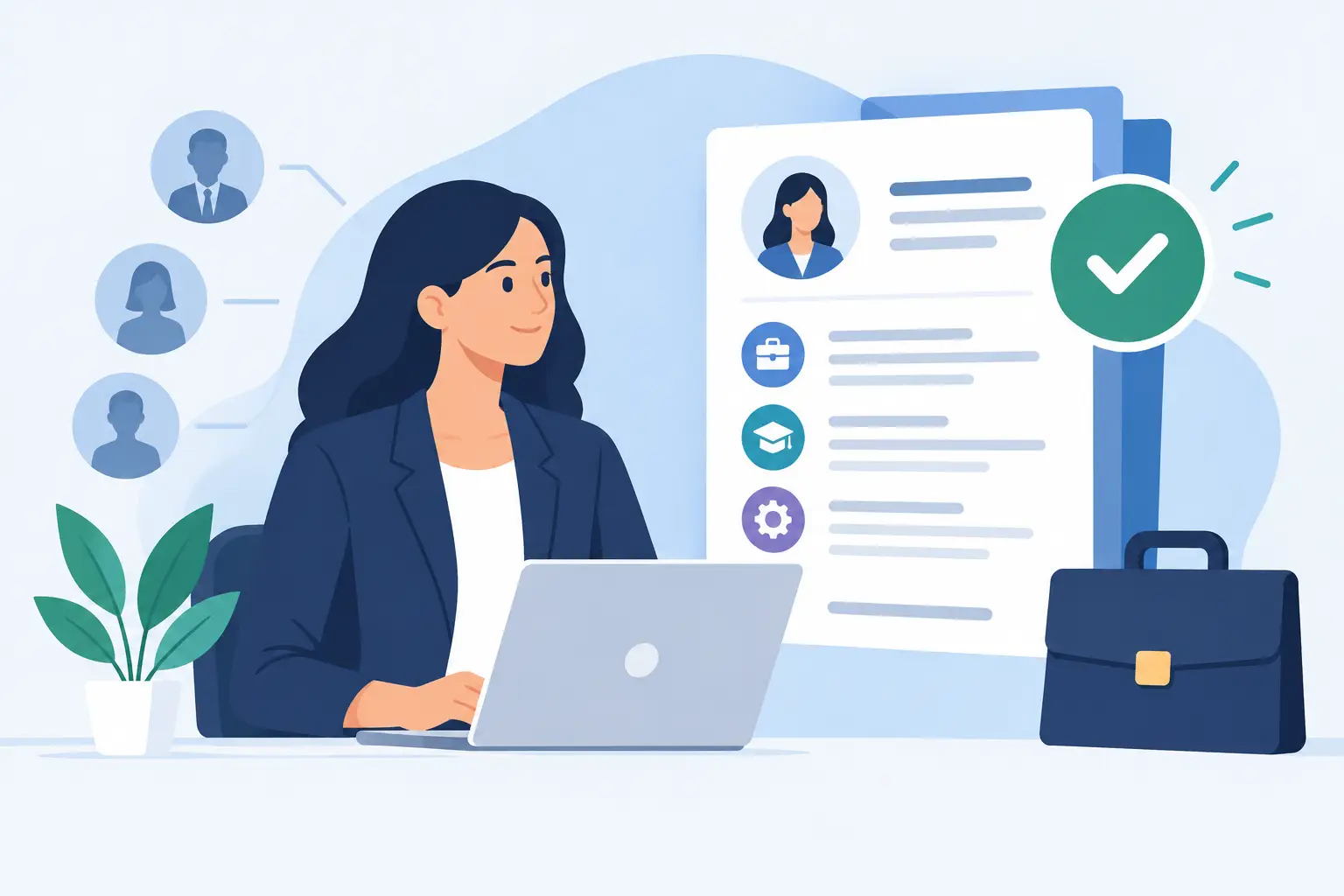
A useful welder jobs app gives both sides a clearer starting point. Workers can present their core processes, certifications, work history, preferred job type, and examples of completed projects. Employers can define the real needs of the role: process, material, position, travel expectations, shift, pay range, project duration, and required documentation.
The result is a better first conversation. Instead of spending time sorting through applicants who are not available, not qualified, or looking for a different kind of work, a hiring manager can focus on people who fit the job in front of them.
Proof of skill beats a vague work history
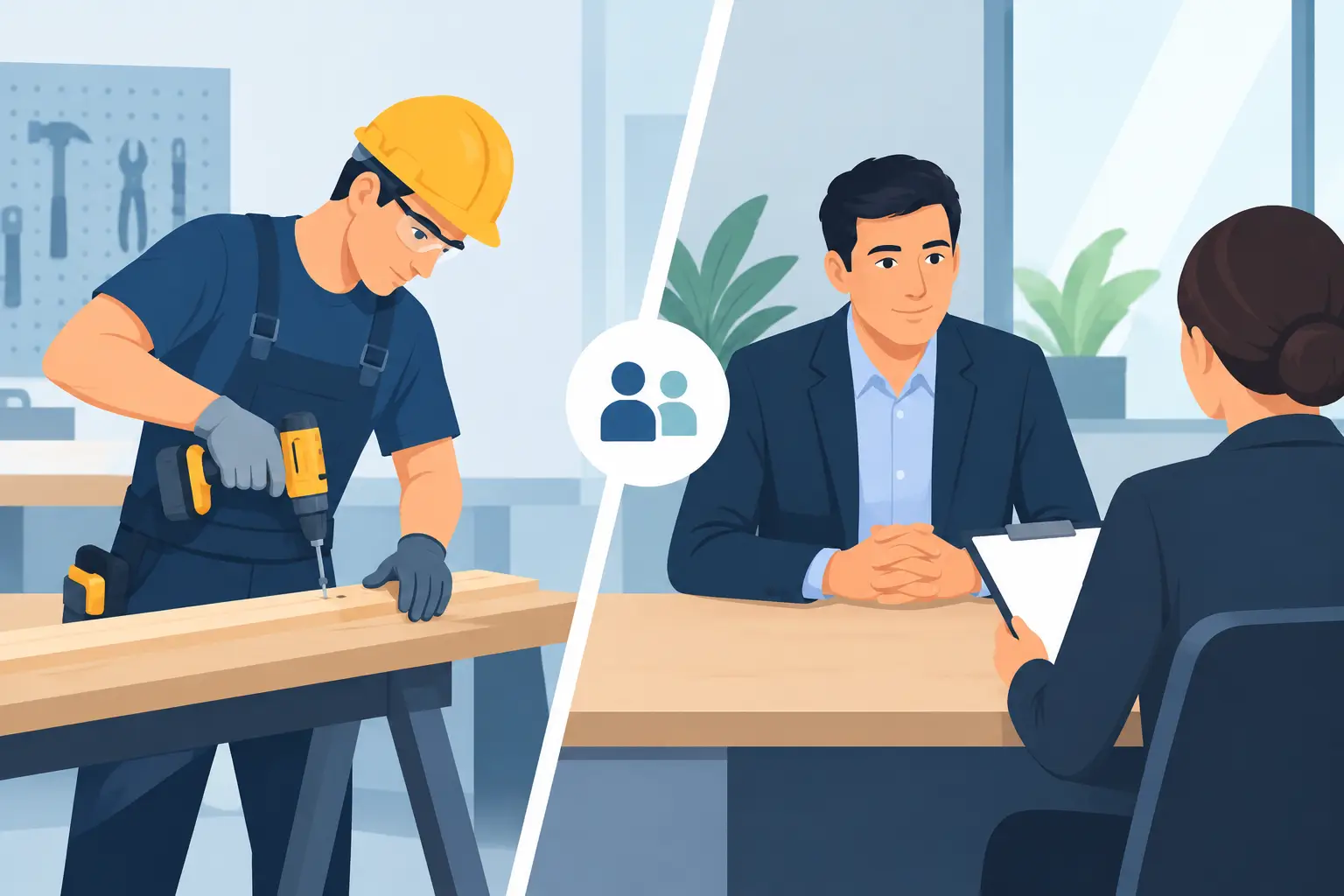
A title like “welder” does not say enough. Two people may carry the same title while having completely different experience. One may specialize in shop MIG work on carbon steel. Another may be qualified for GTAW pipe work in industrial environments. Both are valuable, but they are not interchangeable hires.
Profiles that show specific processes, materials, positions, blueprints or fit-up experience, and project photos create a more accurate picture. A portfolio is especially useful for tradespeople whose best work is visible in finished joints, assemblies, structural components, or fabrication details. It gives employers something more concrete than a list of past company names.
Verification adds another layer of confidence. License, certification, employment, and background information should not be treated as paperwork that appears after the hiring decision. When appropriate details are confirmed early, employers can move with fewer surprises and workers can stand apart from applicants making unsupported claims.
Speed matters, but fit matters more
Construction and industrial projects run on deadlines. When an employer needs welding talent, the pressure to hire quickly is real. Still, fast hiring without clear requirements creates expensive rework: missed weld tests, safety issues, poor attendance, or a worker arriving to find the role is not what they expected.
The right app shortens the hiring cycle by making the job details and candidate evidence easier to see up front. AI-powered matching can help surface relevant candidates based on skills and experience, while direct messaging lets employers confirm the details that software cannot know on its own. Is the worker available for night shift? Can they travel? Are they ready for a weld test? Do they have the required site orientation?
Technology should speed up judgment, not replace it.
How Welders Can Build a Profile That Gets Attention
A strong profile is not a long profile. It is a clear record of the work you can do and the work you want next. Employers often scan profiles between site meetings, calls, and changing project demands. Make the important details easy to find.
Start with your processes and materials. Be precise: MIG, TIG, stick, flux-cored, pipe, structural, stainless, aluminum, carbon steel, fabrication, repair, or production work. Add the positions you can weld when relevant, plus fit-up, layout, blueprint reading, grinding, rigging, or equipment experience that supports the job.
Then document certifications and qualifications accurately. Include what is current, what is expired, and what you are prepared to renew or test for. Overstating credentials may get attention briefly, but it creates a problem as soon as a test or document review begins. A dependable reputation is worth more than a flashy profile.
Project photos can strengthen your presentation when they are safe to share and do not reveal confidential client information. Show finished fabrication, clean fit-up, structural work, assemblies, or equipment you worked on. Add a short description that explains your role and the process used. A photo without context is less useful than a photo that tells an employer what they are looking at.
Finally, set your work preferences. Say whether you want local work, travel jobs, contract assignments, permanent employment, shop work, field work, overtime, or a particular shift. A good opportunity is not just one you qualify for. It is one you can realistically take and keep.
How Employers Get Better Welding Candidates
The quality of a job post determines the quality of the response. “Hiring welders” is too broad to attract the right people efficiently. A serious welder wants to know what they will be welding, where they will be working, and what it takes to succeed on day one.
Describe the work in operational terms. Name the process, base material, thickness range if relevant, shop or field setting, expected schedule, project length, location, travel or per diem details, testing requirements, and pay structure. If a worker must pass a specific test, say so. If the role includes fit-up, layout, or fabrication, make that clear rather than treating it as an afterthought.
This level of detail may reduce the total number of applications. That is often a win. Fewer qualified conversations beat a crowded inbox full of mismatches.
Employers should also look beyond credentials alone. Current certifications and verified experience are valuable, but availability, communication, and project fit still matter. A highly qualified pipe welder may not be the right candidate for a short local structural assignment, and a strong shop welder may be exactly what a fabrication team needs. The best match depends on the scope, not on the most impressive title.
Once you find a promising candidate, respond quickly. Skilled welders have options, especially when they can show proven experience. Direct, practical communication keeps momentum: confirm the schedule, pay, site requirements, test process, start date, and who they will report to. Leaving critical details vague invites no-shows and last-minute dropouts.
The Mobile Workflow That Keeps Jobs Moving
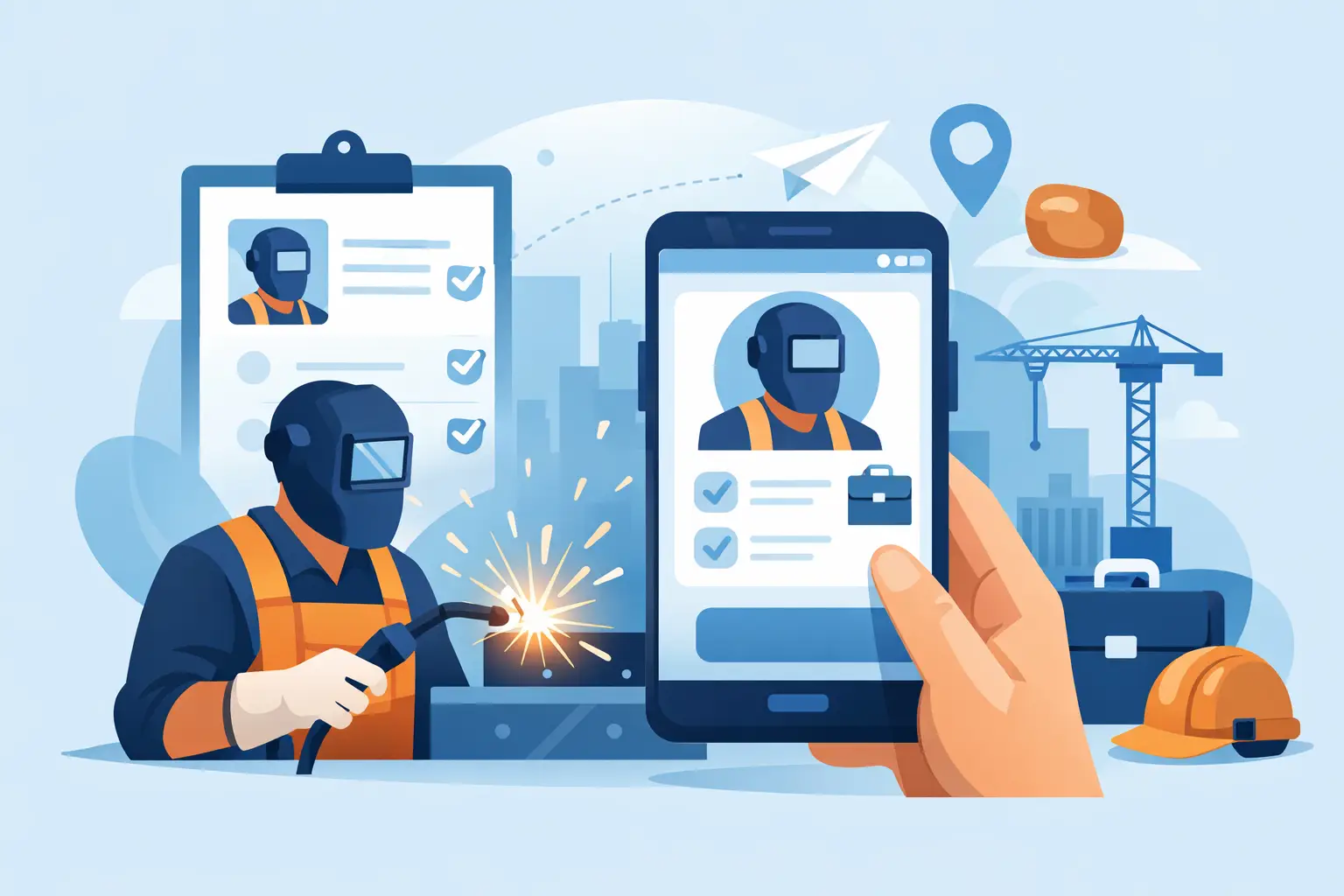
Field hiring does not happen neatly from a desk. Project managers may need to review candidates from the jobsite. Welders may search for openings during a break, after a shift, or while traveling between assignments. A mobile-first platform is useful when it supports the entire hiring conversation, not just the first application.
That means workers can update availability, add credentials, respond to messages, and share their portfolio without waiting to get home. Employers can review verified profiles, contact qualified people, and move candidates forward while the staffing need is still urgent.
There is a trade-off. Faster communication can create pressure to make quick decisions. Both sides should still confirm the essentials before committing. Workers should ask about the exact work, testing, safety expectations, tools, travel, and payroll arrangement. Employers should confirm qualifications, work authorization where required, start availability, and the candidate’s understanding of the role. A few direct questions can prevent a costly mismatch.
Choosing a Platform Built for the Trades
The best job app for welders is not necessarily the one with the most listings. It is the one that makes skill proof, job requirements, and communication easier to manage. Look for a platform designed around the realities of skilled-trade hiring: verified profiles, credential visibility, project portfolios, targeted matching, and direct employer-worker contact.
That is the value of a trade-focused marketplace such as go2work. It is built to help employers identify qualified talent faster while giving welders a professional place to show the work behind their experience.
For welders, the goal is career visibility that leads to better-fit work. For employers, the goal is dependable hiring without losing days to unclear applications and disconnected communication. Put the real work on display, state the job requirements plainly, and let the next conversation start with evidence instead of guesswork.