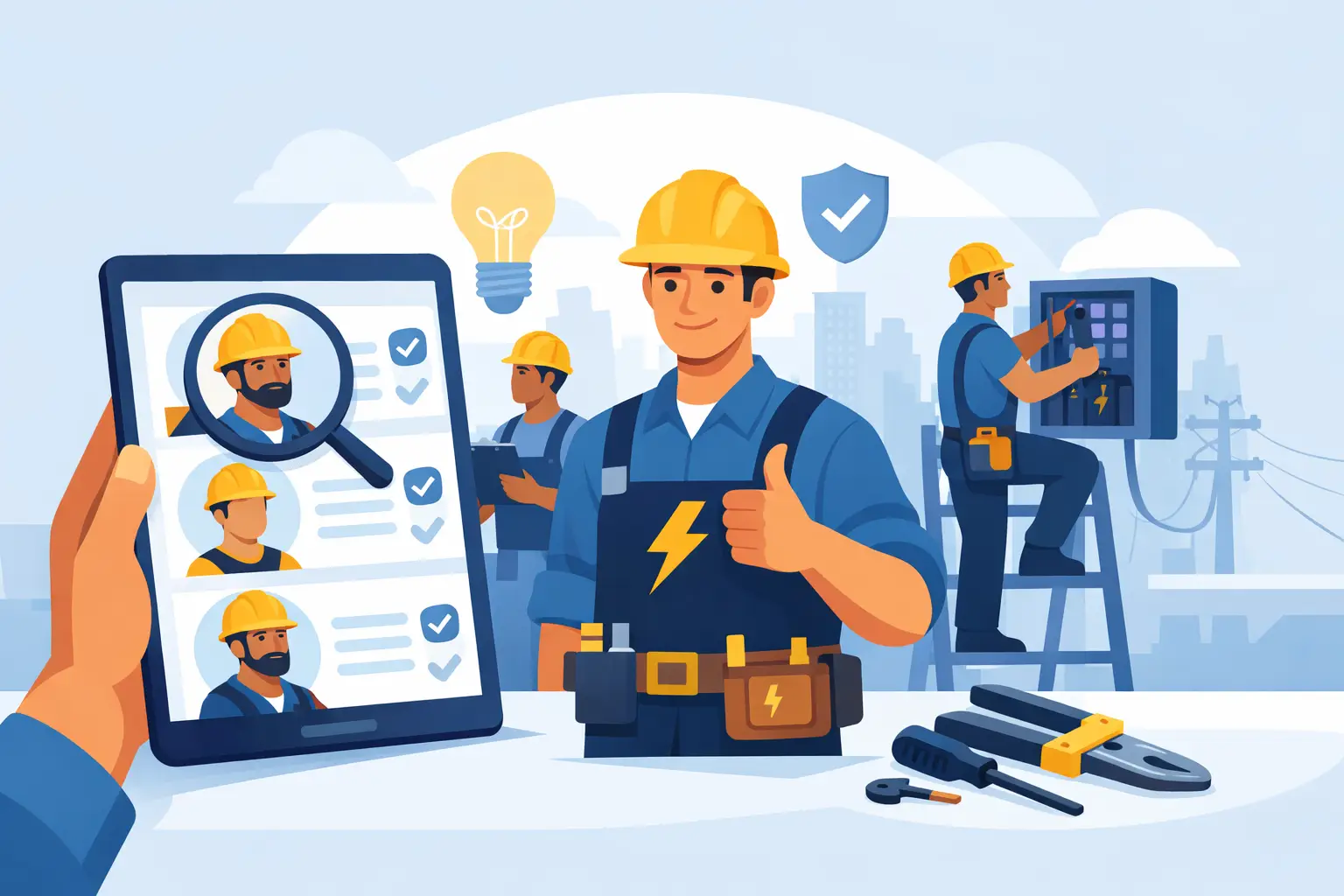

A superintendent needs two licensed electricians before Monday. A commercial plumbing contractor just won a tenant-improvement job and needs a lead plumber this week. Those openings can be filled before a worker gets home and checks a job board. Mobile job alerts for tradespeople close that gap by putting relevant opportunities in front of qualified workers while the job is still active.
For skilled workers, speed is not about applying to every opening first. It is about seeing the right work early, confirming that it fits your experience and schedule, and responding while the employer is still building a candidate pool. For employers, timely alerts help turn an urgent staffing need into a faster conversation with workers who are available, qualified, and ready to move.
Why mobile job alerts matter on real jobsites
Construction hiring rarely runs on a neat monthly schedule. Crew needs shift when a project moves ahead, a subcontractor falls behind, weather changes the plan, or a new scope of work gets approved. Employers often need help now, not after a two-week recruiting cycle.
Tradespeople face the same reality from the other side. You may be on a jobsite from early morning through the afternoon, driving between service calls, or working overtime to finish a deadline. Sitting at a desk to search for work is not practical. A useful alert lets you see an opening when you have a minute, then decide whether it deserves a response.
That timing matters most for high-demand roles. Licensed electricians, HVAC technicians, experienced welders, finish carpenters, plumbers, masons, and equipment operators are not competing for every job. They are deciding which opportunity offers the right pay, commute, project type, crew, and long-term potential. A well-timed alert gives them more choice.
What makes a job alert worth opening
Not every notification deserves someone’s attention. If a worker gets repeated alerts for jobs outside their trade, too far from home, or below their experience level, they will turn notifications off. That helps nobody.
Strong mobile job alerts are specific. At a minimum, they should make clear what trade is needed, where the work is located, whether the role is temporary or ongoing, and when the employer needs someone to start. Pay information, shift details, licensing requirements, and project type make the alert more useful when available.
A carpenter looking for commercial finish work should not have to sort through residential framing jobs. An HVAC technician with EPA certification should see opportunities where that credential matters. A welder with structural steel experience should be able to prioritize fabrication or field work that matches their portfolio.
Verification also changes the quality of the alert. A job is more credible when workers can see that the employer, role requirements, and work history have been presented clearly. On the employer side, a response carries more weight when it comes from a worker whose licenses, employment background, skills, and completed projects are documented.
Set alerts around the work you actually want
The best alert strategy starts before the notification arrives. Workers should build a profile that tells employers what they can do without forcing them to guess. List your primary trade, specialties, years of experience, licenses, certifications, service area, and availability. Add photos or records from completed projects when appropriate. A strong profile turns a quick response into a credible application.
Then set job preferences with some discipline. Your main trade is the obvious starting point, but the details determine whether alerts are useful. Consider the distance you are willing to travel, the type of work you prefer, your desired pay range, and whether you want full-time, project-based, contract, or short-term work.
It also helps to separate non-negotiables from preferences. A required license, a maximum commute, or a schedule that conflicts with family responsibilities should be a firm filter. Project type or company size may be more flexible. If every setting is too narrow, you can miss solid opportunities. If every setting is wide open, the alerts become noise.
For example, an experienced plumber may want jobs within 35 miles, but might extend that range for a higher-paying commercial project with a predictable schedule. A traveling welder may care less about distance and more about per diem, project duration, and safety requirements. The right setup depends on the trade and the worker’s current goals.
Respond fast without applying blindly
An alert is an advantage, not a reason to rush into the wrong job. Before responding, check the essential details: the trade requirement, location, start date, expected duration, pay information if posted, and any required credentials. A 60-second review can prevent a wasted conversation.
When the role fits, respond while the opening is fresh. Employers staffing active work often review early responses first because the pressure to fill the role is immediate. A short, professional message can move you ahead: state your relevant experience, confirm your availability, and point to the credential or project work that matches the job.
Avoid sending the same generic note to every employer. “Interested, call me” is fast, but it gives a hiring manager little reason to prioritize you. A better response might identify your license, your experience on similar projects, and the date you can start. That is enough to show readiness without writing a long cover letter from a truck cab.
Keep your profile current, too. If your availability changed, update it. If you completed a major project, add it. If you renewed a license or earned a certification, make sure employers can see it. Mobile hiring moves quickly, and outdated information creates friction at the exact moment you need to build trust.
Employers: alerts are only as good as the job post
A fast alert cannot fix a vague job post. If an employer needs a qualified worker quickly, the posting must give people a reason to respond and enough information to self-select.
State the trade, location, project type, start date, schedule, required licenses, experience level, and whether the work is temporary, project-based, or permanent. If pay is flexible, provide a realistic range or explain what determines it. Workers who know what they are walking into are more likely to respond, show up, and stay engaged.
Be precise about the work. “Need electrician” could mean residential rough-in, commercial tenant improvement, industrial maintenance, low-voltage installation, or service work. Those are different skill sets. Clear requirements reduce unqualified responses and help the right candidates recognize themselves in the opportunity.
Response speed matters on the employer side as well. If a qualified worker answers an alert within minutes but waits two days for a reply, the advantage is gone. Assign someone to monitor new candidates, review verified profiles, and move promising workers into a direct conversation quickly.
Build a notification routine that respects the jobsite
Notifications should support the workday, not interrupt it constantly. Workers can use sound or vibration for high-priority matches and review lower-priority alerts during breaks, lunch, or after shift. The goal is to stay reachable without letting a phone distract from safety-sensitive work.
Employers should think about timing, too. Posting a job at the end of the day may still reach workers planning their next move, while a pre-shift or lunch-period alert can catch people when they have time to respond. There is no perfect hour for every trade, but active jobs should not sit unpublished while a project deadline gets closer.
Platforms built for field-based hiring can make this process more practical by matching verified worker profiles to specific trade requirements and sending relevant openings directly to mobile devices. go2work is designed around that reality: qualified workers need clear opportunities, and employers need proof of skill before they commit time to an interview or hire.
The real value is better timing and better fit
Mobile alerts will not replace good judgment. Workers still need to evaluate pay, safety, commute, crew culture, and career value. Employers still need to confirm credentials, experience, and reliability. But alerts remove one of the biggest obstacles in trade hiring: finding out about a good match after the opportunity has already moved on.
Keep your profile accurate, choose preferences that reflect the work you want, and respond with proof that you can do the job. The next strong opportunity may arrive between service calls, before a shift starts, or while a contractor is still deciding who to contact first.