Walk onto an active job site for ten minutes and the answer to is construction a skilled trade gets pretty clear. Someone is reading plans, someone is laying out measurements to the fraction, someone is managing material tolerances, and someone is solving a problem that was not on the schedule at 7 a.m. That is not generic labor. That is applied skill under pressure.
The short answer is yes - construction is absolutely a skilled trade sector. But the better answer is that construction includes both skilled and unskilled roles, and the difference matters for hiring, pay, training, and career growth. If you are an employer trying to fill jobs fast, or a worker trying to position your experience correctly, understanding that distinction is not just semantics. It changes how people get hired.
Is construction a skilled trade? Yes, but not every role is the same
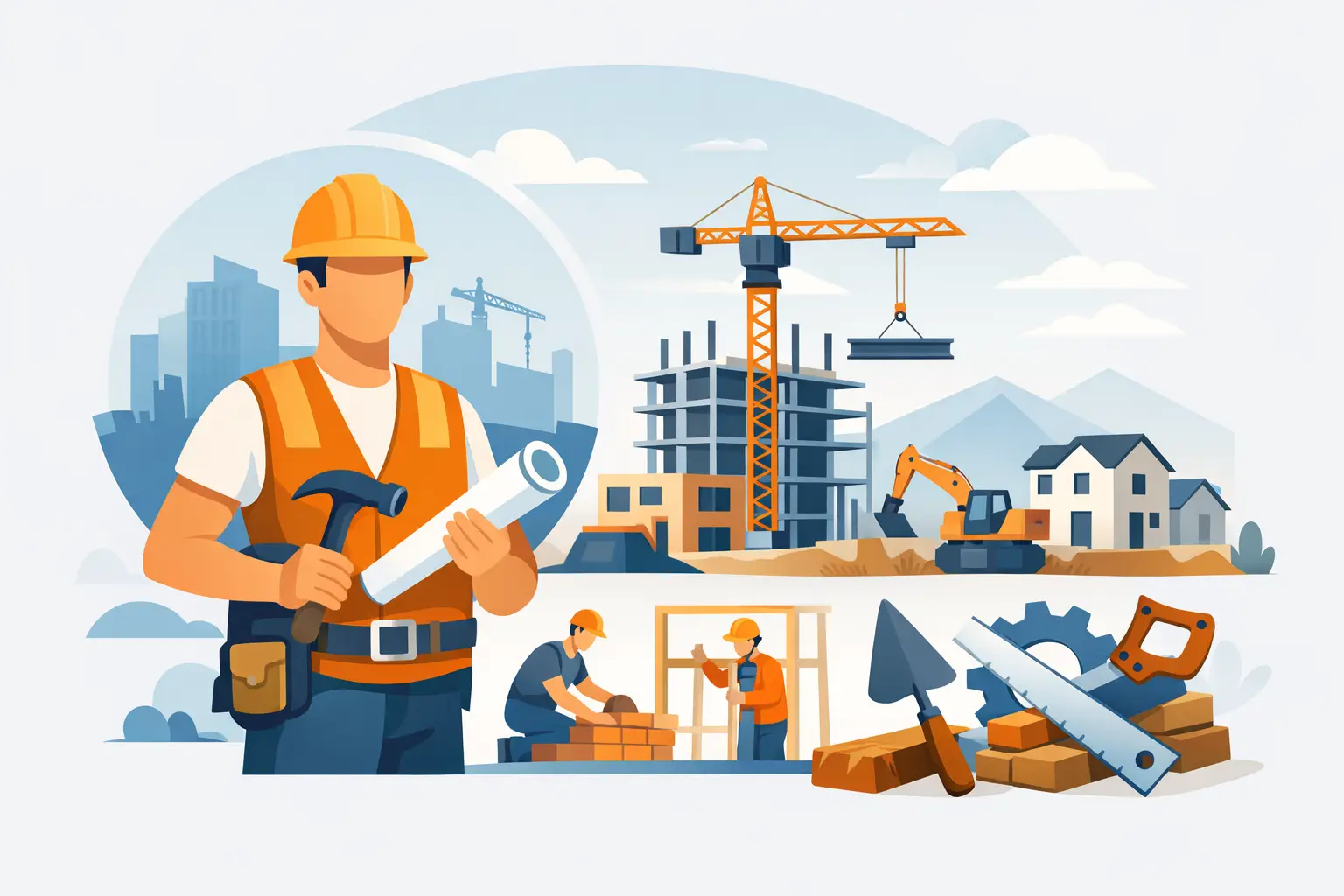
Construction is often used as a catch-all term. In practice, it covers a wide range of jobs, from entry-level site support to highly specialized trades that require years of experience, licensing, and technical knowledge.
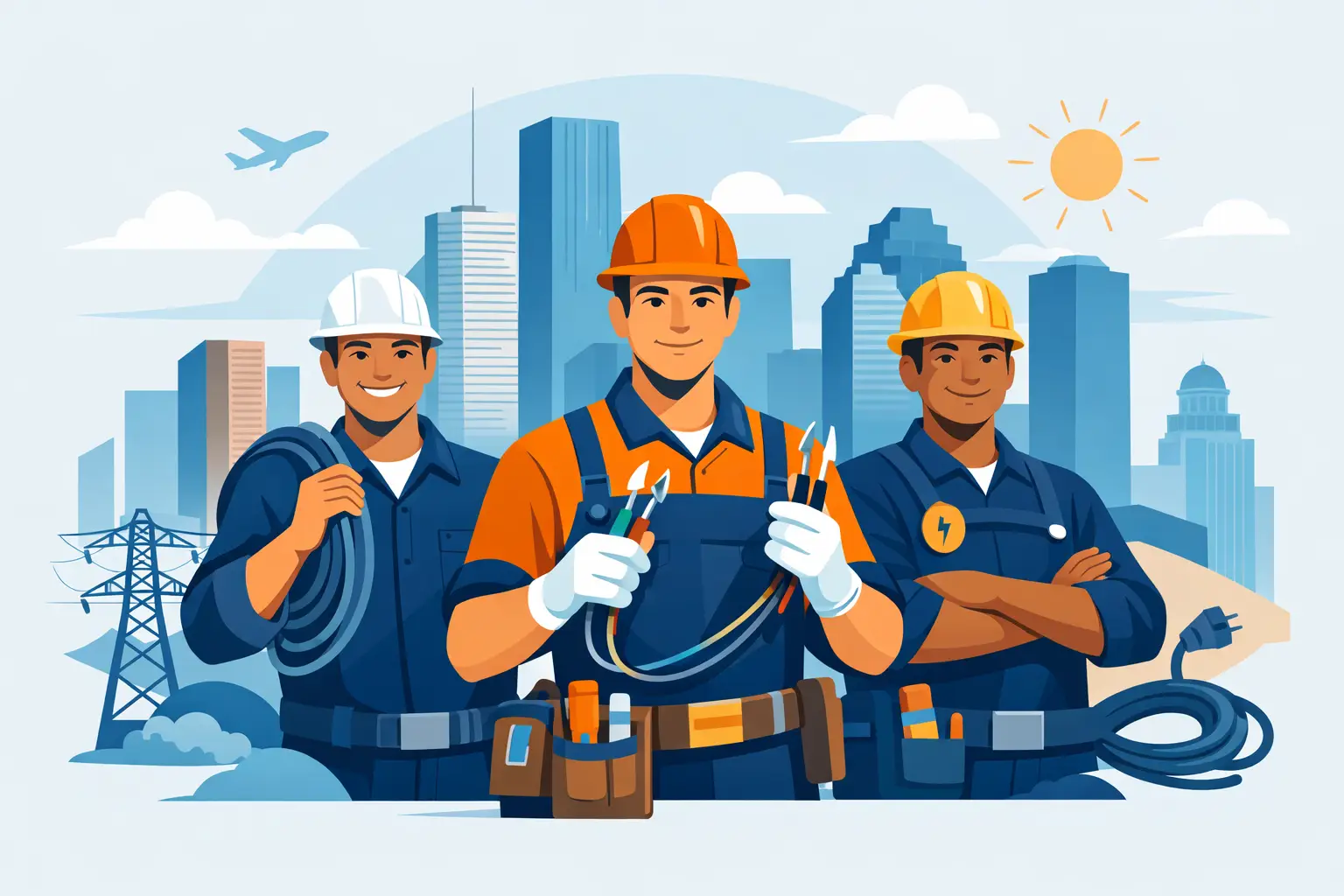
Electricians, plumbers, HVAC technicians, welders, masons, ironworkers, carpenters, heavy equipment operators, and pipefitters are classic examples of skilled trades within construction. These roles require hands-on ability, job-site judgment, technical training, safety knowledge, and often formal credentials. A mistake in any one of these trades can cost money, delay a project, or create a serious safety risk.
At the same time, there are construction positions that do not require the same level of training on day one. General laborers, helpers, demolition crews, and material handlers may enter the field with fewer barriers. That does not make those jobs less valuable. It just means they are often starting points rather than fully developed trade roles.
That distinction matters because people sometimes ask whether construction is a skilled trade when what they really mean is whether every person on a construction site is considered a skilled tradesperson. The answer there is no. Construction is the broader industry. Skilled trades are the specialized occupations inside it.
What makes a job in construction a skilled trade?
A skilled trade is usually defined by the combination of training, technical execution, and repeatable expertise. In construction, that shows up in a few clear ways.
First, skilled trades require more than physical effort. Strength and endurance matter, but they are not enough. A commercial electrician has to understand code, circuitry, load requirements, blueprint reading, and troubleshooting. A finish carpenter has to work with precision, layout, materials knowledge, and installation standards. A welder needs process knowledge, joint prep, heat control, inspection awareness, and safety discipline.
Second, skilled trade work is learned over time. Some workers come in through apprenticeships. Others learn through trade school, military experience, union training, or years of field experience under a foreman. However they get there, the common thread is that the skill is developed, tested, and refined.
Third, skilled trade roles often come with accountability that is measurable. Work has to pass inspection. Systems have to function. Installations have to meet spec. Production has to stay on schedule without cutting corners. In other words, skill in construction is not theoretical. It shows up in outcomes.
Why the label matters for employers
If you are hiring, the phrase skilled trade is not just a category. It is a filter for risk.
Calling every construction role the same creates hiring problems. If you post for a carpenter but attract applicants with only general labor experience, you lose time. If you need a licensed plumber and end up sorting through unverified resumes, the project slows down. Skilled trade hiring works best when the required level of experience is clear from the start.
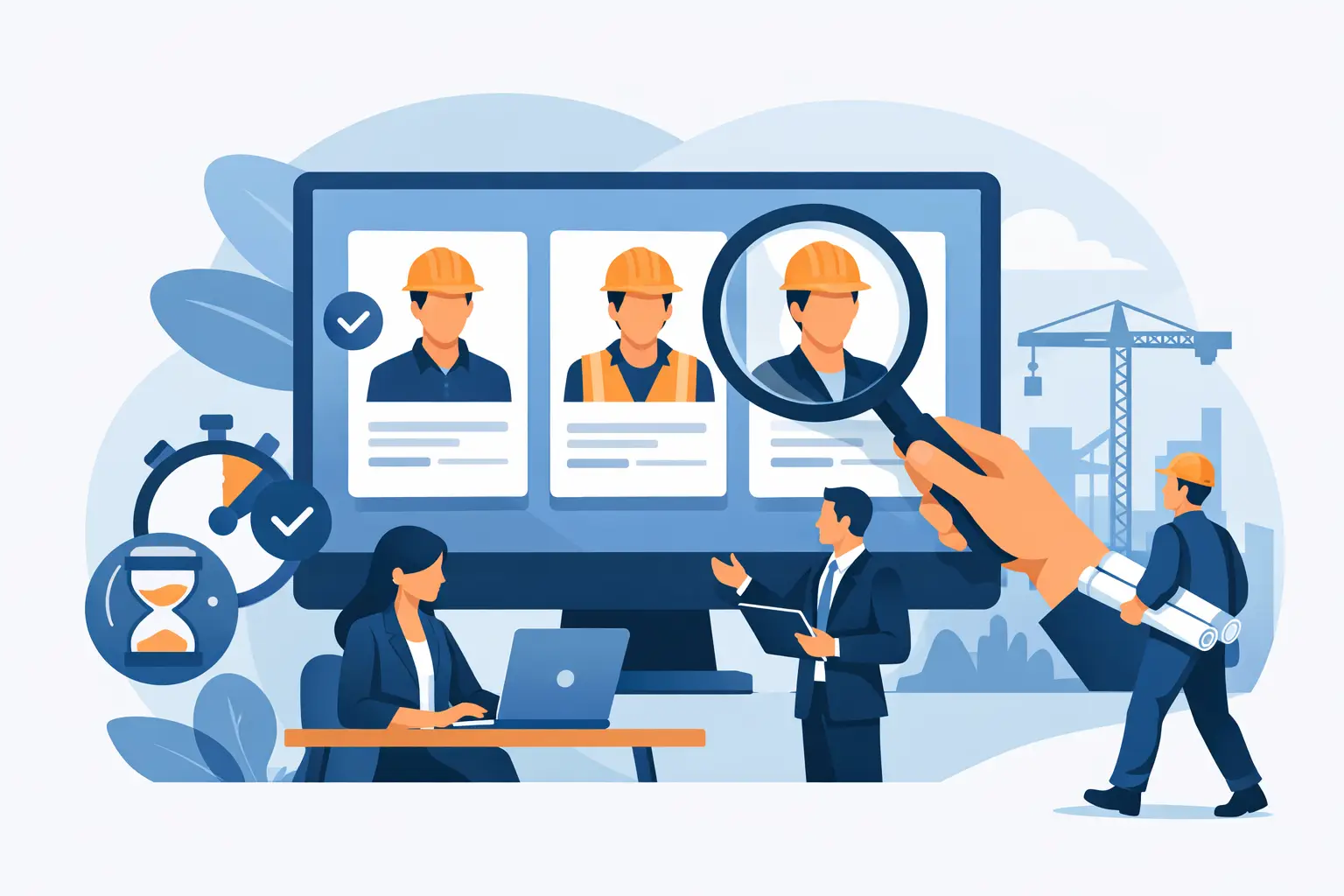
That is also why verification matters so much in construction hiring. Employers do not just want someone who says they can weld stainless pipe, run conduit, or install commercial HVAC systems. They want evidence. Licenses, certifications, work history, project portfolios, and references all help separate true skilled workers from candidates who are overstating experience.
In a tight labor market, being precise about what counts as skilled labor also helps with workforce planning. Not every opening needs a journeyman. Not every project can afford to hire only top-tier specialists. Some crews need a mix of apprentices, experienced mechanics, and support labor. The smartest hiring teams build around that reality instead of treating construction labor as one bucket.
Why the label matters for workers
For tradespeople, being recognized as skilled is tied directly to pay, opportunity, and career visibility.
A worker who has spent years building expertise should not present themselves the same way as someone with entry-level experience. If you can read plans, lead installs, troubleshoot in the field, work independently, or hold a license, that needs to be visible. Employers hire faster when they can see proof of skill instead of trying to guess from a job title alone.
This is where many workers get undervalued. They may have strong hands-on experience but no polished resume, no clear record of completed projects, and no easy way to show what they actually do. In skilled trades, that gap can cost real money. The more clearly a worker can demonstrate capability, the stronger their position in the market.
That does not mean every skilled worker needs a long list of certifications. Some of the best tradespeople built their careers through field performance and reputation. But even then, documented experience helps. Photos of completed work, employer reviews, license validation, and a reliable job history all make skill easier to verify.
Skilled trades in construction usually follow a progression
One reason the question gets confusing is that construction careers often start in roles that are less specialized and become more skilled over time.
A worker might begin as a helper, move into an apprenticeship, then become a journeyman, crew lead, or foreman. In carpentry, electrical, plumbing, and HVAC, that path is common. The industry is built around learning by doing, and many skilled tradespeople started by carrying materials, cleaning up sites, and watching experienced crews work.
That progression matters because it shows that construction is not split into fixed categories of skilled and unskilled people. It is a pipeline. Some roles are entry points. Some are advanced specialties. The trade itself becomes skilled through training, repetition, and responsibility.
For employers, that creates an opportunity. Hiring is not only about filling immediate openings. It is also about building crews that can grow. A reliable apprentice today can become the licensed, high-performing tradesperson you need next year. But that only works when the company can identify real potential and support development.
Education matters, but it does not all look the same
Another reason people hesitate to call construction a skilled trade is that they confuse skill with a four-year degree. In the trades, that is the wrong standard.
Construction skill is often built through apprenticeships, union programs, trade schools, manufacturer training, safety certifications, and direct field experience. That training is real, technical, and demanding. It just happens in a different format.
For example, an HVAC technician may need to understand refrigeration cycles, electrical diagnostics, controls, airflow, and EPA rules. A licensed electrician may spend years in classroom and field training before working independently. A welder may need process-specific certifications tied to exact materials and positions. None of that is informal guesswork.
The better way to look at it is this: skilled construction roles are competency-based. Some workers build that competency through formal programs, some through supervised fieldwork, and many through both.
The industry is getting more technical, not less
If anyone still thinks construction is mostly brute force, they are looking at an outdated picture of the industry.
Modern construction depends on digital plans, code compliance, system integration, specialized equipment, prefabrication workflows, and tighter performance standards. Tradespeople are expected to adapt quickly, coordinate with multiple crews, and deliver quality under compressed timelines. Skill is not disappearing from construction. It is becoming more visible.
That is especially true in commercial and industrial work, where precision, documentation, and specialized systems play a bigger role on every project. The worker who can combine field ability with technical understanding stands out fast.
For hiring teams, this raises the bar. For workers, it raises the value of being able to prove what you know.
So, is construction a skilled trade or a career path with many skill levels?
Both.
Construction includes a large number of skilled trades, and those trades are some of the most essential careers in the labor market. It also includes support and entry-level roles that feed the talent pipeline. That is why broad labels only get you so far. The more useful question is what specific role, what level of experience, and what proof of skill the job requires.
For employers, clarity speeds up hiring. For workers, clarity strengthens positioning. Platforms like go2work are built around that reality because construction hiring works better when skill is visible, verified, and easy to match to the job at hand.
If you work in this industry, you already know the truth: skill in construction is not about sounding impressive. It is about showing up with the ability to do the work right when the project depends on it.