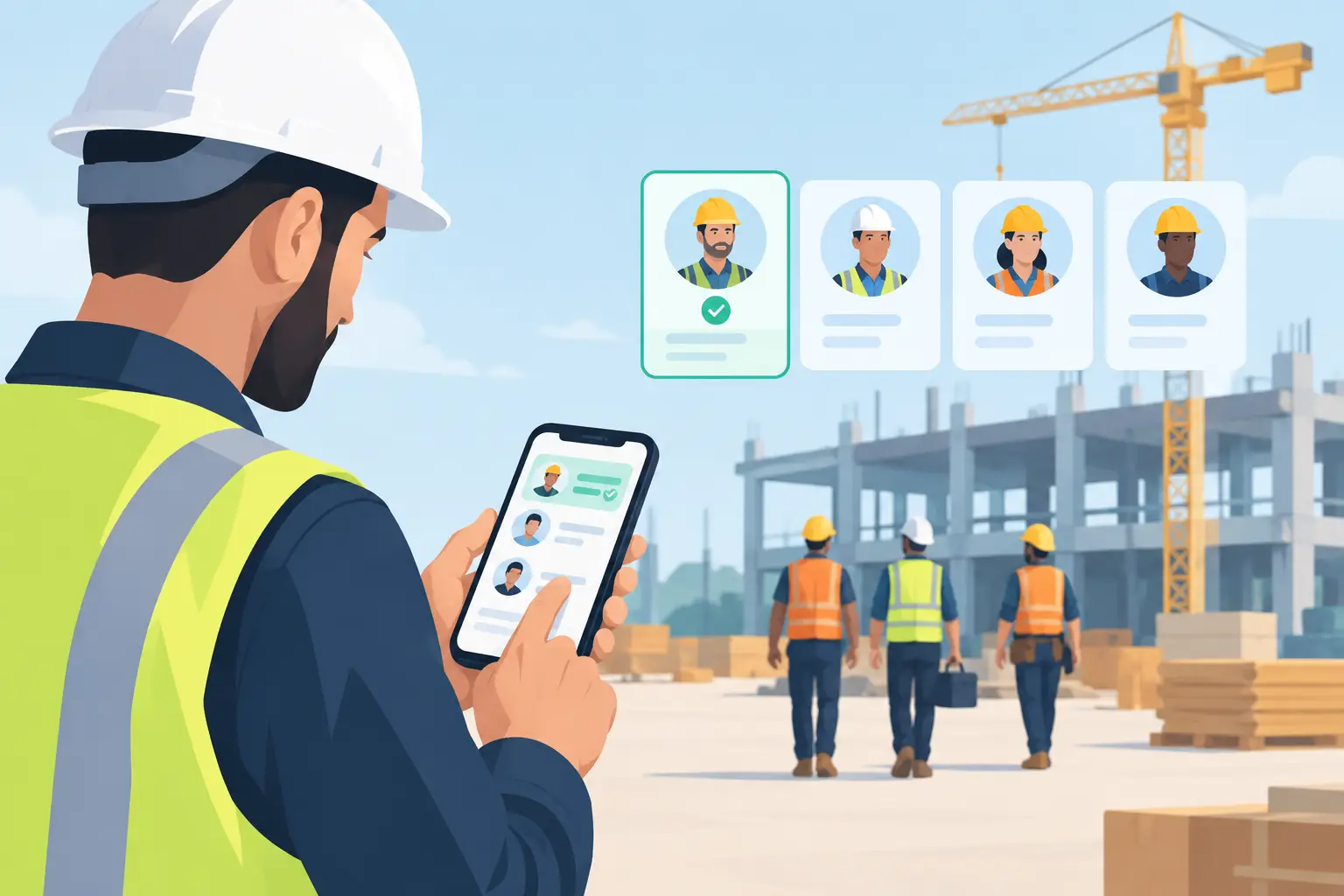
A superintendent gets the call at 6:30 a.m.: the electrician scheduled for a commercial retrofit cannot make it. The crew is ready, the material is on site, and a delayed rough-in can push every trade behind it. This is where generic job boards fall short. Hiring apps built for skilled trades give employers a faster way to find people with the right license, experience, and availability - while giving tradespeople a credible way to show what they can do.
Construction hiring is not a desk-job recruiting problem. It is driven by project schedules, specific scopes of work, local licensing requirements, jobsite conditions, and the cost of an empty position. The right app does more than collect resumes. It helps both sides make a confident decision before the workday is lost.
Why Skilled Trade Hiring Needs a Different App
A standard hiring platform may return hundreds of applicants for a single opening. That volume can look promising until a project manager spends hours sorting through candidates who lack the required certification, live too far from the jobsite, or have never performed the work in question.
Skilled trades employers need relevant signals early. An HVAC contractor looking for a service technician needs different proof than a steel fabricator hiring a welder. A polished resume is useful, but it does not show whether a worker can read plans, operate the needed equipment, work safely on an active site, or complete a similar project to spec.
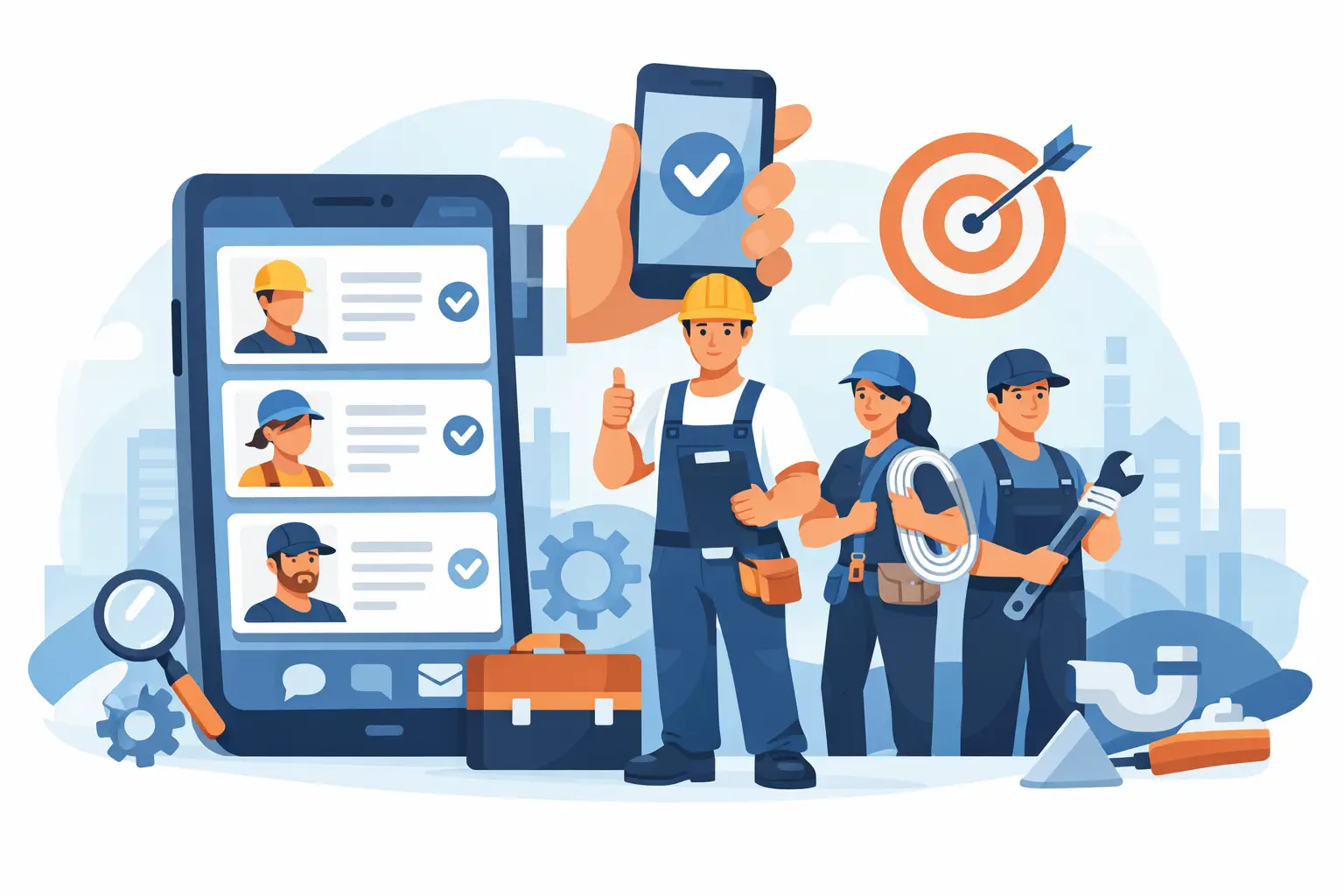
The strongest hiring apps for construction are designed around those realities. They prioritize trade category, location, years of field experience, licenses, work history, availability, and examples of completed work. That structure reduces guesswork before an employer starts a conversation.
For workers, industry-specific hiring changes the experience too. A carpenter should not have to translate years of framing, finish work, and commercial build-outs into office-language keywords just to get seen. A professional profile with credentials, project photos, ratings, and clear experience lets their work speak for itself.
What Employers Should Expect From Hiring Apps
Speed matters, but speed without verification creates expensive problems. An app should help employers move quickly without lowering their standard for quality. The most useful tools combine targeted discovery with proof that a candidate is who they say they are.
Trade-Specific Candidate Matching
AI-powered matching can narrow a large talent pool based on the factors that actually affect jobsite performance. That may include trade, specialty, geography, prior project type, shift availability, and stated pay expectations. Instead of beginning with a blank search bar, hiring teams see candidates who are more likely to fit the role.
Matching is not a replacement for judgment. A project manager still needs to assess fit for a particular crew, site, and scope. But it gives that conversation a much better starting point than a stack of unfiltered applications.
Credential and Employment Validation
A license number on a profile is not the same as a verified credential. Depending on the trade and market, employers may need to confirm licenses, certifications, employment history, background information, or safety qualifications before sending someone to a site.
Verification creates a practical advantage for everyone. Employers spend less time chasing basic information. Qualified workers avoid being grouped with applicants who have not established their experience. The process is not one-size-fits-all - requirements differ by state, municipality, union status, and project owner - but a platform should make the relevant proof easy to review.
Portfolios That Show Real Work
Construction is visual and outcome-driven. A portfolio can reveal the kind of projects a candidate has handled, whether that is a clean electrical panel installation, finished cabinetry, ductwork, masonry restoration, or structural welds.
Portfolio evidence should support, not replace, a skills conversation. Photos do not confirm every detail of workmanship or safety practice. Still, they provide useful context that a resume alone cannot, especially when employers need someone with experience in a specific environment such as multifamily, industrial, healthcare, or tenant improvement work.
Direct, Mobile-First Communication
Good candidates are often working when a recruiter sends an email. By the time they get home, another employer may have filled the role. In-app messaging helps teams move from interest to a real conversation without unnecessary handoffs.
The best communication tools are clear and practical: confirm availability, share job details, ask a qualifying question, and schedule the next step. Fast response times should not mean vague job posts. Candidates need enough information to decide whether the role is worth pursuing, including location, expected schedule, scope, pay range when available, and employment type.
A Better Workflow for Construction Employers
The app is only as effective as the hiring process behind it. Teams that get consistent results establish a simple operating rhythm rather than posting a job and waiting.
Start with a field-ready job description. Name the trade and specialty, the project type, the location, the expected duration, and the must-have qualifications. “Experienced plumber needed” attracts broad interest. “Journeyman plumber needed for a six-week commercial tenant improvement project in Phoenix, with copper and cast-iron experience required” gives qualified people a reason to respond.
Next, separate must-haves from preferences. A current license may be non-negotiable. Experience with a particular brand of equipment may be helpful but teachable. When everything is labeled essential, employers shrink their pool and may overlook strong candidates who can contribute quickly.
Then, review profiles for evidence rather than assumptions. Check verified credentials, work history, portfolio examples, and ratings where available. Ask focused questions tied to the job: What similar project have you completed? When can you start? Are you equipped for the required shift and travel? These questions protect time on both sides.
Finally, keep the process moving. A qualified worker who receives no response for several days is likely to accept another opportunity. Establish ownership for reviewing applicants and sending updates. Even a quick message that confirms the next step builds trust and strengthens an employer’s reputation in a tight labor market.
How Tradespeople Can Get More Value From Hiring Apps
For tradespeople, the profile is not an online formality. It is a working record of skills, reliability, and career progress. A complete profile makes it easier for the right employers to find you without requiring you to apply blindly to every opening.
Lead with your actual trade and specialty. “Electrician” is a start, but details matter: commercial service, residential new construction, industrial maintenance, low-voltage systems, controls, or panel upgrades. Be specific about certifications, licenses, equipment, and the types of jobs you know well.
Add project examples that show range and quality. Use clear photos, identify your role, and give brief context about the scope. A few strong examples from completed jobs are more valuable than a long gallery with no explanation. Never share site-sensitive information, client details, or photos that violate company policy.
Keep availability current. If you can start immediately, say so. If you are open only to local work, night shifts, travel roles, or contract assignments, make that clear. Accurate availability prevents wasted conversations and helps employers contact you for jobs that fit your situation.
Communication is part of the professional presentation. Respond promptly, ask direct questions about scope and pay, and be honest about qualifications. Taking a role outside your experience can create risk for you and the crew. The right opportunity should build your reputation, not put it under pressure.
Where Hiring Apps Help - and Where They Do Not
Hiring apps can improve access, visibility, and speed. They cannot fully replace a practical skills assessment, a thoughtful interview, or a company’s responsibility to provide proper supervision and jobsite safety.
For urgent staffing needs, an app can quickly surface available workers. For long-term roles, employers may want a more deliberate process that includes references, interviews, and a trial period. Both approaches can work. The deciding factor is the risk, complexity, and duration of the job.
Employers should also avoid treating a platform as a substitute for workforce planning. If a company repeatedly needs the same trade at the last minute, the issue may be forecasting, retention, or subcontractor coordination. Hiring technology helps solve immediate gaps, but better labor planning creates more stable results over time.
Build a Hiring Process Workers Trust
Trust is the real advantage behind a purpose-built platform such as go2work. Verified profiles, trade-focused matching, portfolios, and direct communication make it easier to identify qualified people and easier for skilled workers to be recognized for their experience.
The next time a critical position opens on a jobsite, do not settle for a pile of unknown applicants. Post the work clearly, look for proof, communicate fast, and treat every qualified tradesperson like the professional they are. That approach fills roles faster while building the kind of hiring reputation that attracts better talent on the next project.